
The DAA Round-up: Issue 6
A final survey of 2025, with emphasis on Q3/Q4

It’s already end-of-year list season, but I refuse to observe this early. In the three months or so since my last round-up, I found a lot of releases I wanted to write about, but not any time to write about them. As a consequence of both this and my attempt to “catch up” with 2025, I ended up covering 59 releases for this last “regular” (as in “normal,” not as in “on time”) DAA issue of the year. They’re from throughout the year, but with slightly more weight on stuff that’s come out around/since I wrote my last round-up; I’m saving December releases that have come out so far for later. Many of the blurbs are more cursory than what I’ve written before and take the form of zingers or recommendations; some briefly cover multiple albums that I’ve grouped together. But don’t worry, I still ramble on about plenty of others. I’ll write a brief post about my favorite music of 2025 toward the end of December that will probably just recapitulate what I’ve already written about the releases that make the list; I’ll also be writing a reflection for Tone Glow’s end-of-year list issue, which I’ll direct people to in my DAA end-of-year post. In January or February, I’ll survey releases from the tail-end of 2025.
One more thing before you read on: I’ve finally set up a Ko-fi page (something I’ve been meaning to do for a while)—if you’d like, you can donate a little bit whenever you want to help keep DAA going. 59 albums, it turns out, is a lot of albums… Like I’ve said time and time again: I’m not consistent, and it’s possible that the way I share music will change. While I think it was worthwhile to see 2025 through, I don’t really feel like grinding to keep up with new music anymore, which is something I’ve been feeling for years now. I’ll probably be a lot more selective about any new stuff I do cover, and I want to spend more time writing essays on music that have some kind of historical and/or theoretical throughline. And I want to make more mixes. So: bear that in mind as we head into 2026.
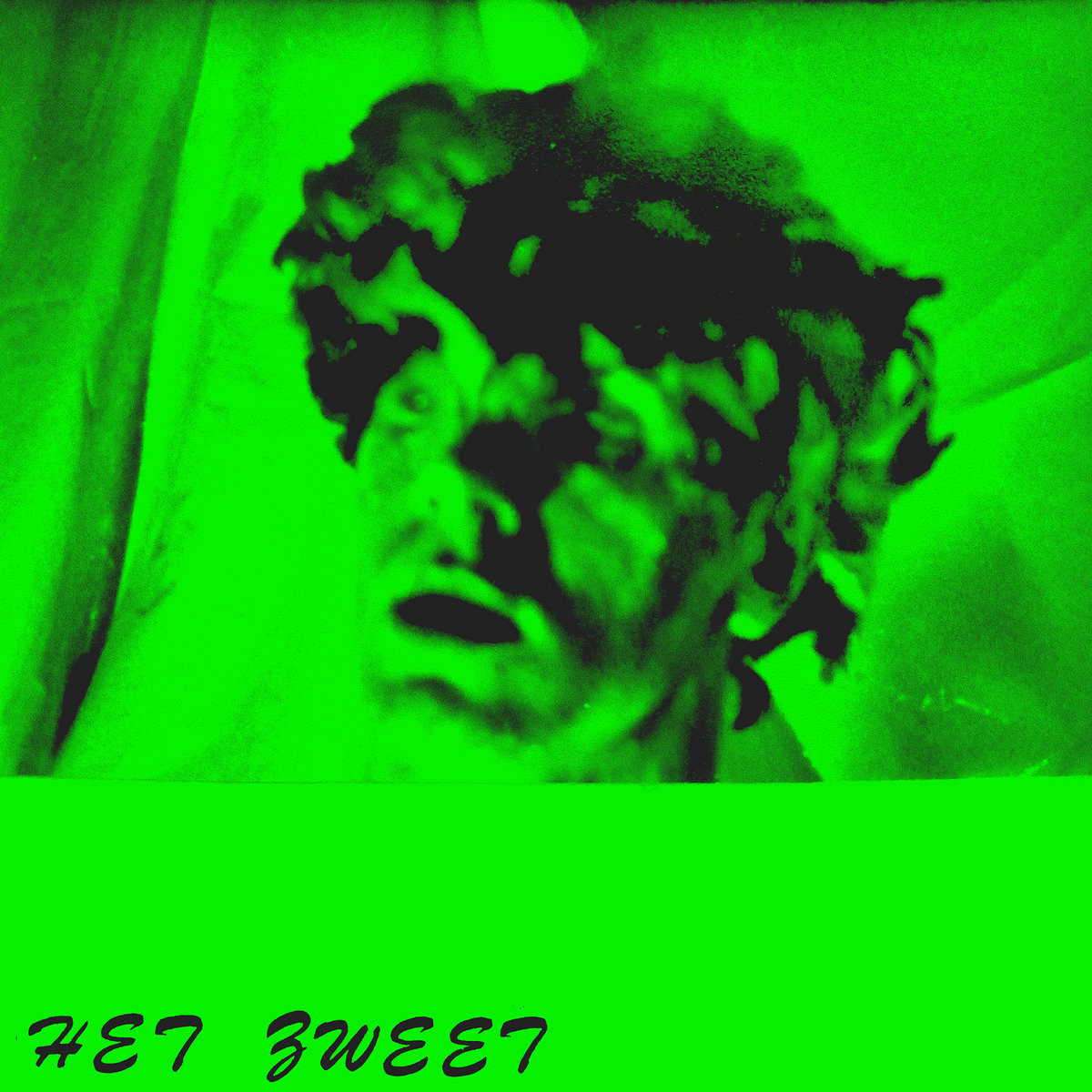
Het Zweet - Het Zweet (Zweepslag, 1983 | Untag / Heat Crimes, Jan 24)
Reissue of an eponymous first release from a project spearheaded by Dutch musician Marien Van Oers. I’ve never bothered digging at the roots of “ritual/tribal ambient” as a genre tag, because (a) that sounds like a whole can of worms, and (b) it’s not something I’m ever going to get that deep into. But listening to Het Zweet made me try, because (a) that genre tag was the first thing I thought of while listening, and (b) this fact annoyed me immensely. Sorry to say that I didn’t find much. But I can break what I did find into a few key points:
Steve Roach fans what-dunnit. And Roach, in this Tone Glow interview from March, describes his own stuff as “tribal” at one point. But only once! Gives me the sense that it isn’t really a genre tag for Roach—especially since his interfacing with Indigenous ritual and music has generally been rather considered (even if mythical and universalist) and not so surface-level as the way the tag is typically slapped on.
Het Zweet is evocative of and contemporaneous with a fuzzy transatlantic network of noise/industrial/other underground cassette-mediated music of the ‘80s to ‘90s; maybe there’s an actual genealogical connection. It’s wild to me though that “tribal ambient” gets slapped onto stuff like early Z’EV or some Sound of Pig releases when the “ambient” part makes no sense. “Tribal,” maybe. But in a more vague, vibes-ish way than in an ethnographic way, where the preoccupation with repetitive rhythms and textures with certain kinds of equipment and sound material led to results that got labeled as “tribal” (Muslimgauze merits an honorable exception—but his roots were nonetheless in industrial and so it’s still not “ambient”). I guess I wouldn’t put it past some musicians to have seen their own work in an appropriative lens of imagined “tribalism,” but whatever.
This is only one part of the broader picture of issues that arise when trying to historicize the “world music” trends of the ‘80s and ‘90s, in tandem with tags like “New Age,” “Fourth World,” etc.
Anyway, Het Zweet is pretty good. I think I like it more than its brethren because you can hear the arms and the hands behind each hit of the drum: there’s no desire on Van Oers’s part to obscure his own body behind a ghost-in-the-machine or some other Oz-ish mirage; he favors sweat over mystery.

France - Destino scifosi (Standard In-Fi, Jan 31)
Two slabs of no-nonsense mid-tempo drone rock that go hard for how little they bother with frills, flourish, or even a hint of a twist. Each side bears a commitment to its chosen key, level and frequency of distortion, plodding pace, etc. that’s remarkable for its lack of deviation throughout. It’s consistent to a degree that even most drone falls short of, and I love that it’s still possible for some of the best music out there to be the stuff that’s the most relentlessly single-minded. Plus you can dance to it.
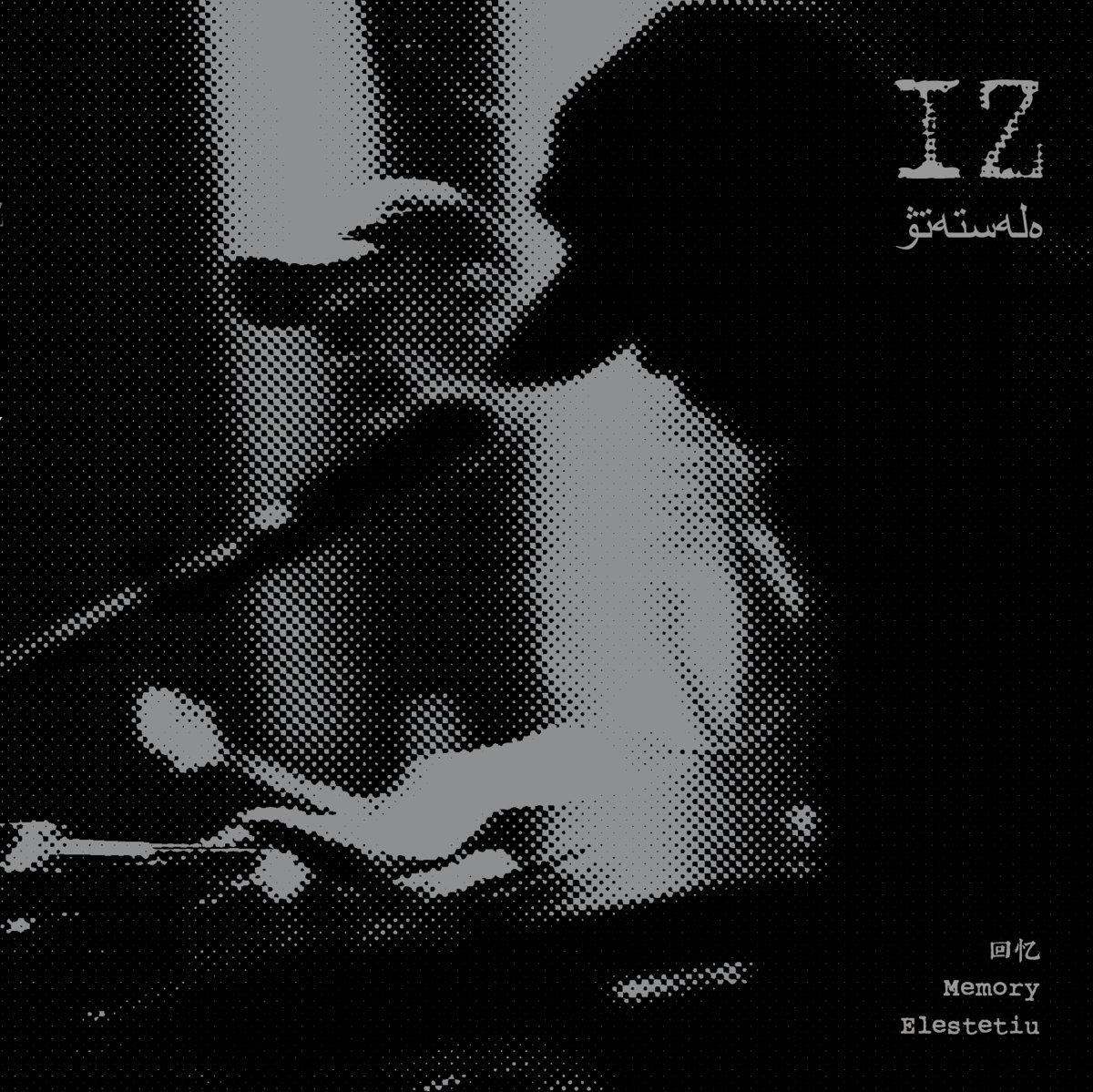
IZ - 回忆 Memory (Old Heaven Books, Mar 3)
A winsome comp of recordings made by the Kazakh folk/psych rock project IZ over the span of 13 years. Low-key, but gripping. See also bandleader Mamer’s solo guitar album Awlaⱪta / Afar 离 below.
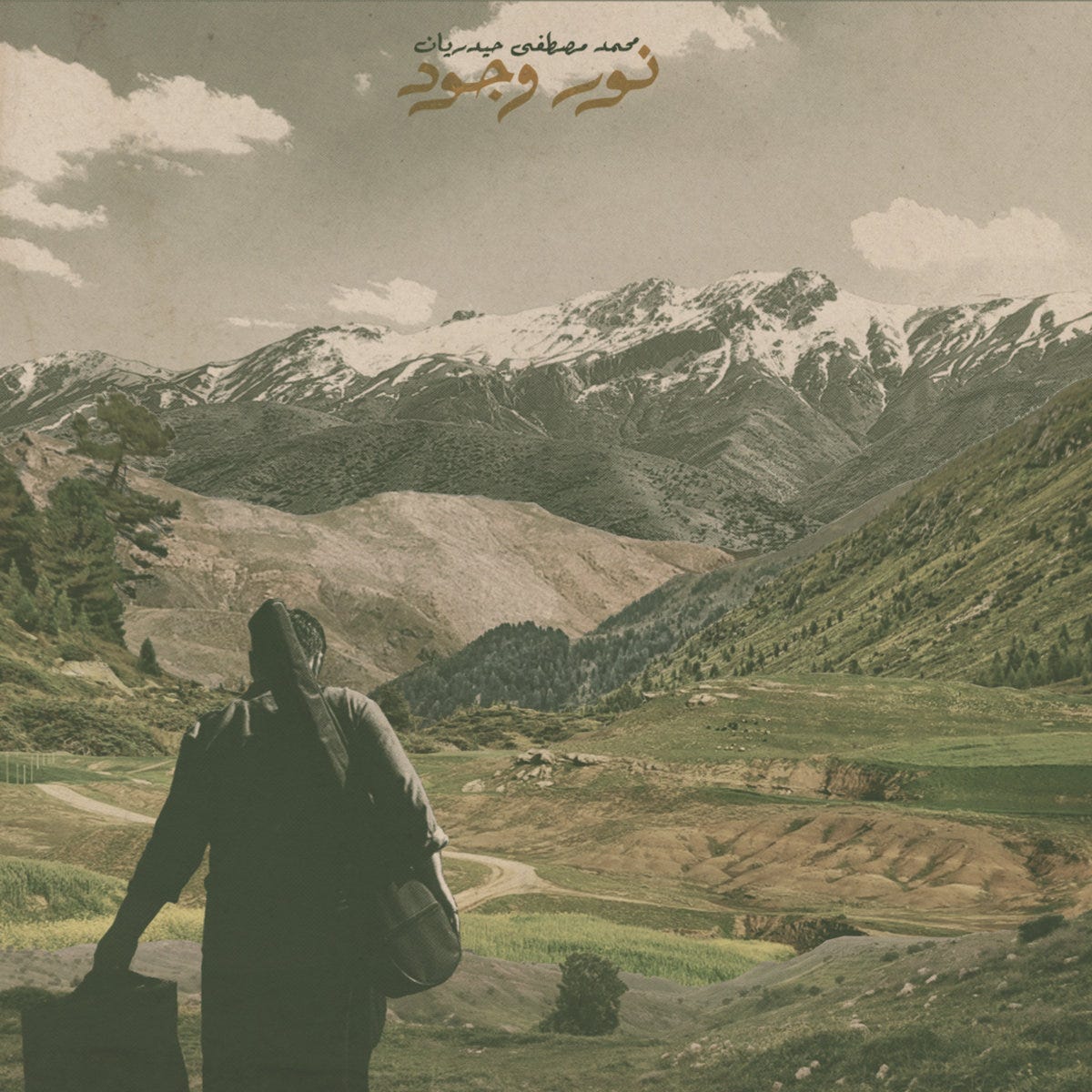
Mohammad Mostafa Heydarian - Noor-e Vojood (Centripetal Force / Cardinal Fuzz / Radio Khiyaban, Mar 7)
Whoever recorded this deserves a medal. This kid shredding on the tanbur hits like a fucking freight train.
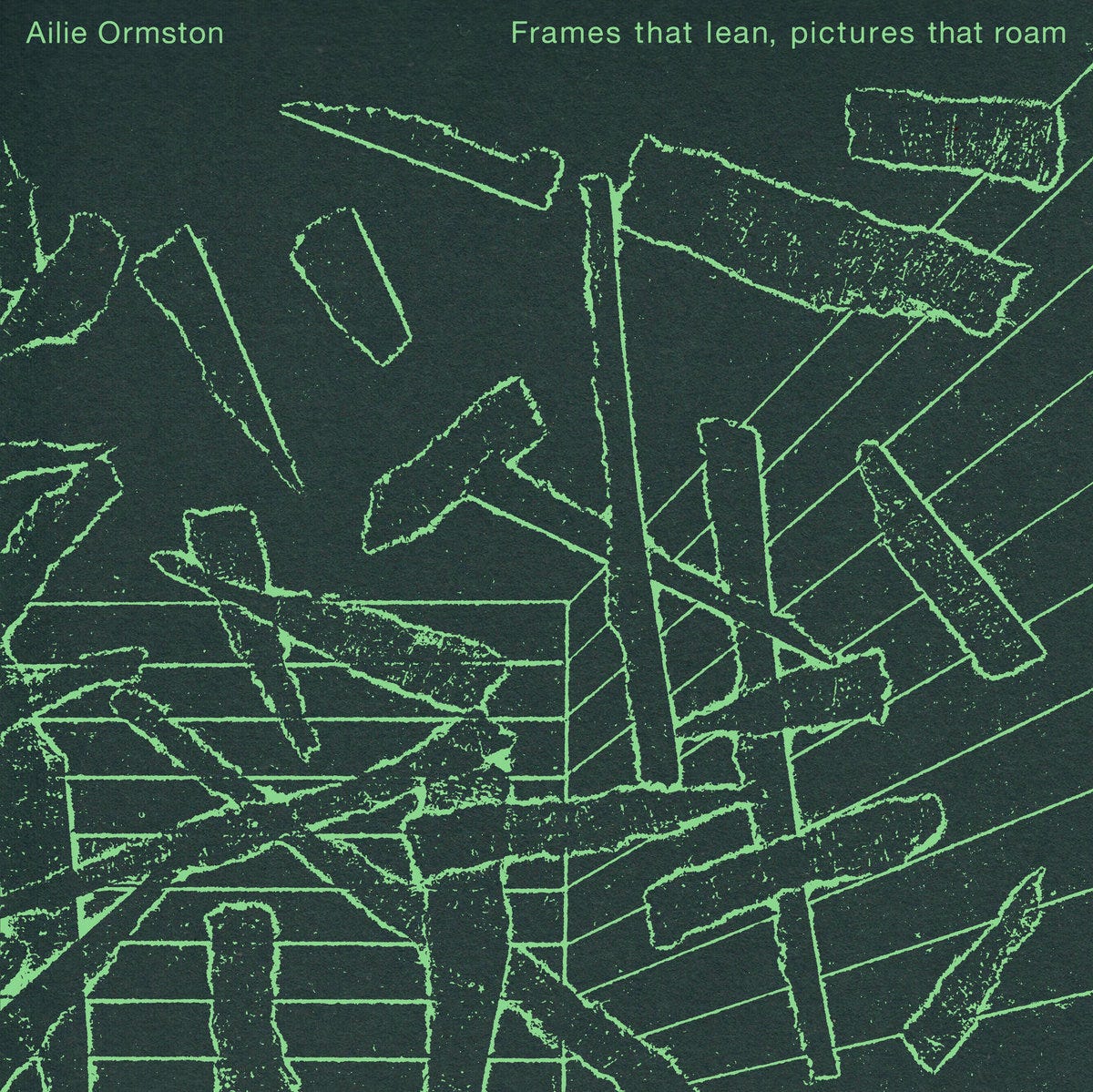
Ailie Ormston - Frames that lean, pictures that room (Akashic Records, Mar 19)
Frames that lean, pictures that roam is one of the few records from this year that compels me on the basis of its textures alone; Ormston’s work is painterly and intimate, doing with an electroacoustic spectrum what fellow Glaswegian project soft tissue does with purely synthetic sound. The presence of cello acts as a lyrical thread that lightly stitches it all together.
edeF. - di muri bianchi (gud serben, Mar 21)
edeF.’s glitch ‘n’ microsample vignettes are bright and effortless in a way that belies their precision; every moment of surprise has a corollary delight. It takes things nice and easy for the most part, but there are sharp left turns and distorted pops of color that keeps the music in alert and forward motion. I especially like “Heavenly Punk Adagio,” whose initial start-stop rhythm lives up to the “heavenly punk” half while the outro’s blissful haze suggests the “adagio” half; and “Se le città potessero volare II,” whose melodic and lilting loop gains teeth and heft as the track rolls on.
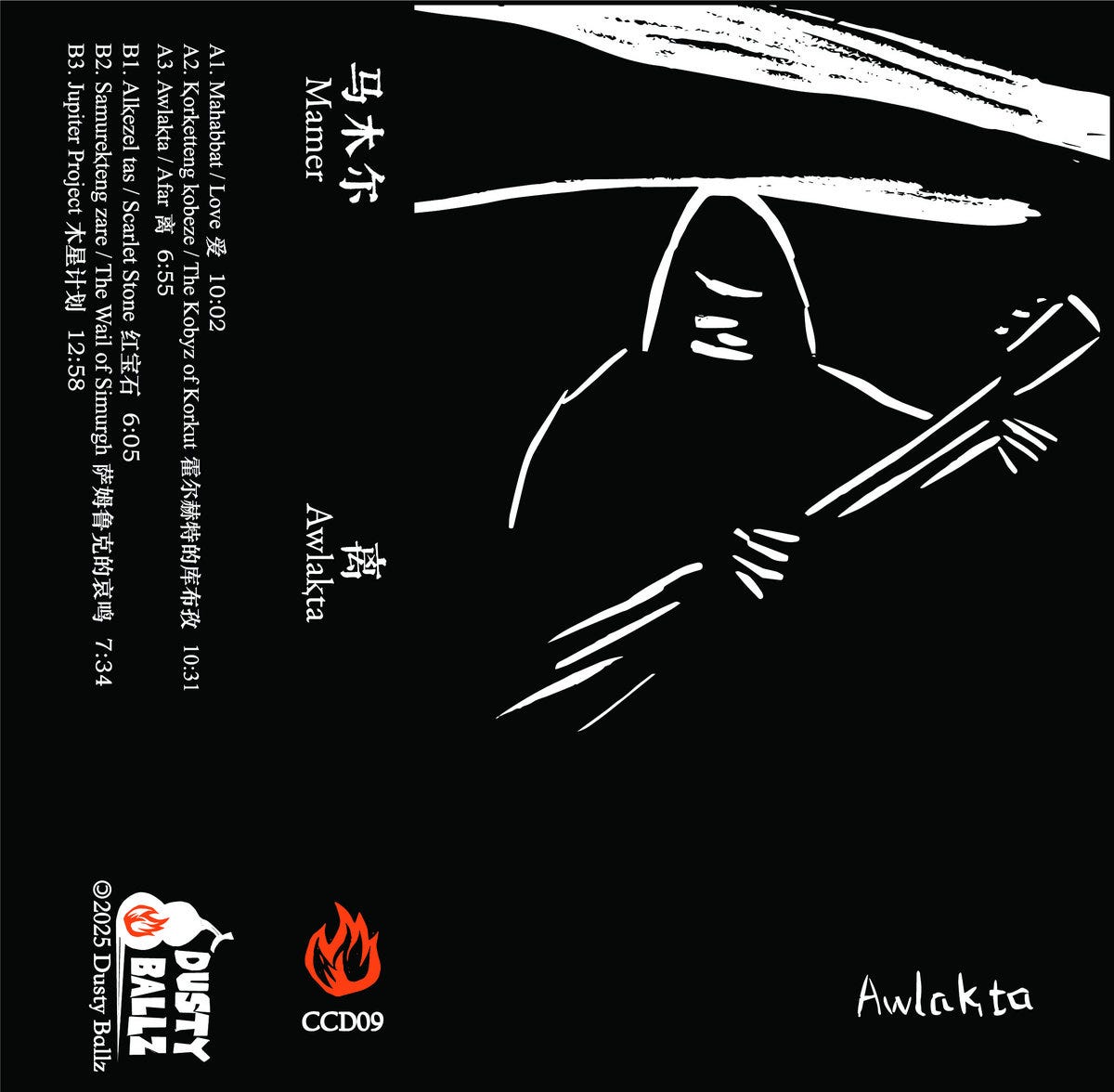
Mamer 马木尔 - Awlaⱪta / Afar 离 (Dusty Ballz, Apr 9)
An album that soundtracked many a muggy summer night for me this year. The hum of Mamer’s electric guitar brims with static potential in between each strum of the strings, impressing a subtle after-image before breaking the tension with a few new notes, or a sudden chord, or a cascade of riffage. The atmosphere’s thick, but the vibes are all good.
Takashi Makino - Space Noise (ato.archives, Apr 11)
I haven’t had the chance to see any of Makino’s films outside of whatever clips I can find online; they’re abstract compositions of color and light where the kinetic motion of the film leader supplies the rhythm of their fluctuating surfaces. Much of Makino’s work is centered around performance, in the vein of expanded cinema, and his films have been soundtracked by a number of experimental music mainstays—most notably Jim O’Rourke, Otomo Yoshihide, and Machinefabriek. All the pieces on Space Noise are from scores Makino made for his own films; being able to compare the sounds with the images (even without experiencing it directly or in full duration) helped me pick up on how the two are interwoven: both possess an organic wealth of tactile detail that keeps one attuned simultaneously to a rushing flow of information and to an overall perceptual unity that progresses by gradual change. It’s “good ambient” in the classical sense—i.e. the Eno definition of rewarding different modes of attention. Allow me this negative definition as well: “bad ambient” is when there are no real footholds for active attention; when the constituent textures are too smooth and the listener is expected to do all the work of gleaning minutiae that the artist has failed to consider. It’s like being expected to appreciate the experience of an inscrutable hedge maze because it looks cool when viewed from a plane.
Thomas Carroll - No Cassette / Blank Cassette (self-released, Apr 29)
I like noise music where rather than the artist thinking “what can I do to make a lot of noise?” they instead think “what noises would happen if I did this stupid little thing?” On this principle, No Cassette / Blank Cassette sounds great and is deeply satisfying.
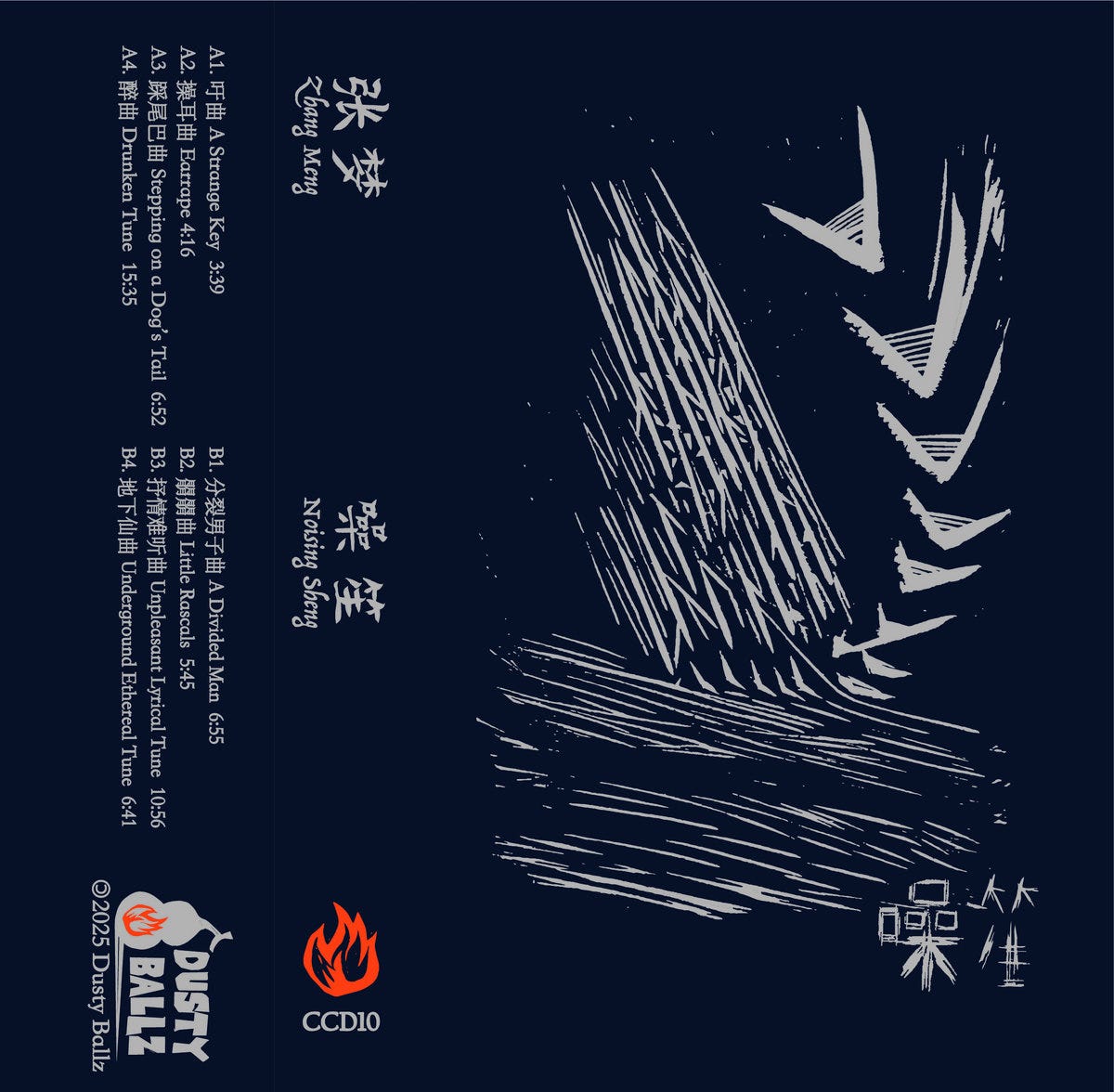
Zhang Meng 张梦 - Noising Sheng 噪笙 (Dusty Ballz, May 1)
Like a free improv record by a solo reedist, but played on a sheng. The instrument’s chordal articulations with occasional held notes are reminiscent of a harmonica, but with a tighter sound envelope that gives them an electronic sheen. Would be curious to hear this kind of harmonic and timbral content within a more structured framework.
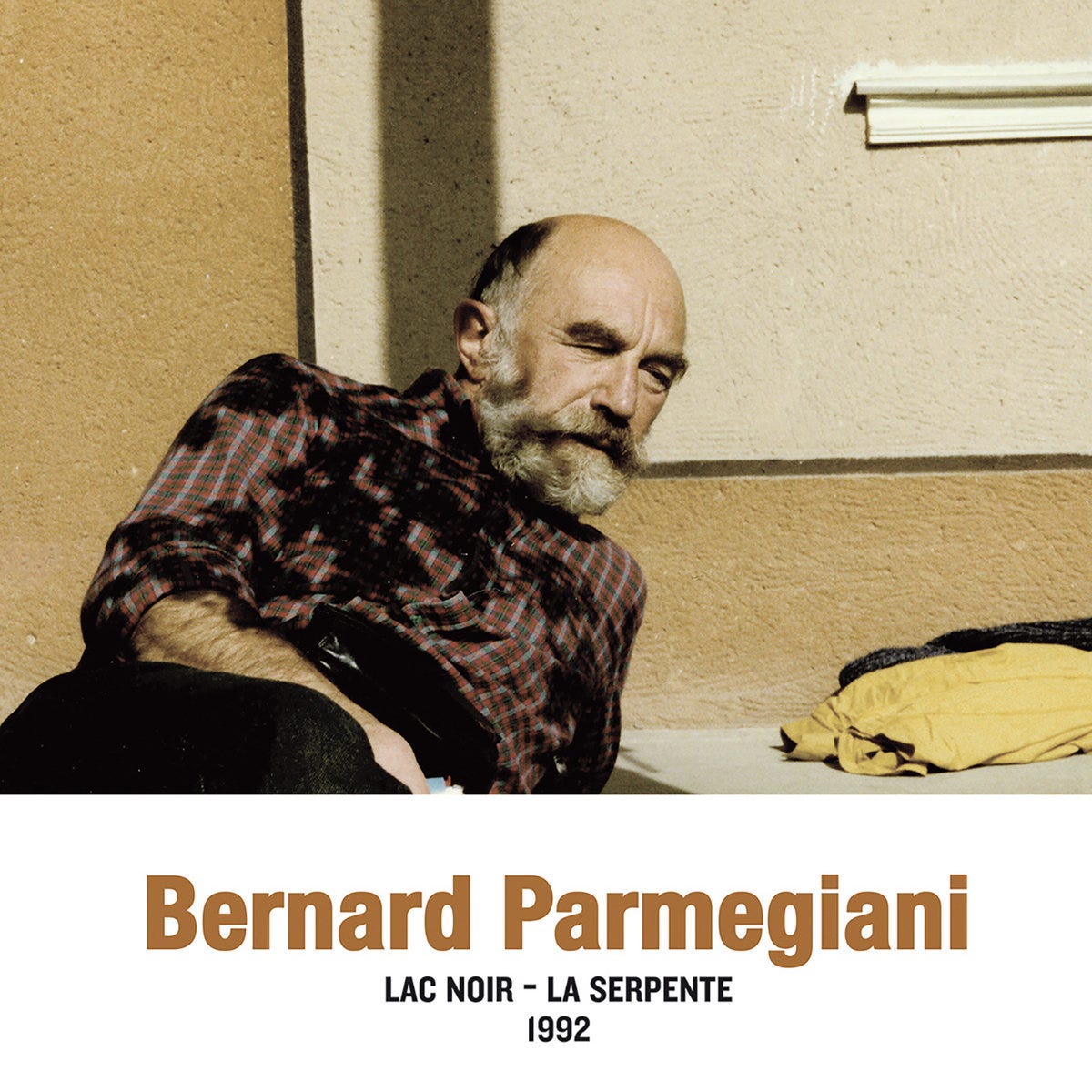
Bernard Parmegiani - Lac noir - La serpente (Sub Rosa, May 2)
An exemplar of electroacoustic mimesis and dramaturgy. Strong visual or imagistic suggestiveness isn’t something most acousmatic work strives toward (by definition), but it’s what makes this record pop.
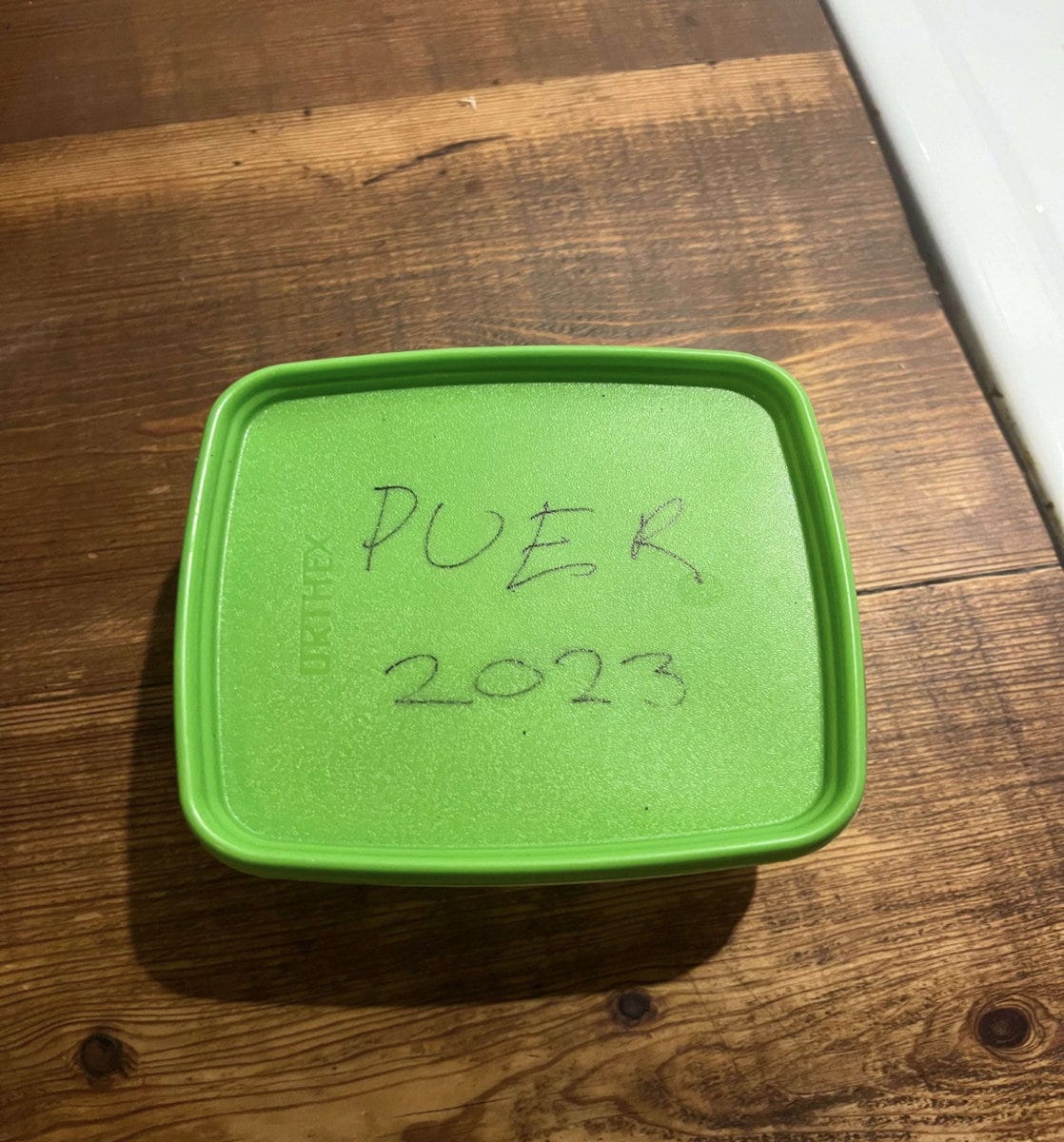
Yan Jun & Teemu Ruissalo - 30:05.011 (bistro, Jun 23)
The sound of two guys being very quiet but also just hanging out? Sign me up. A good complement to Yan Jun’s album with Taku Unami from this year (see below). Same basic idea, but the spatiality of sound rendered in each is strikingly different—as are their respective emotional tenors. The Ruissalo collab is to the Unami collab what Wittgenstein’s Tractatus is to his Philosophical Investigations.
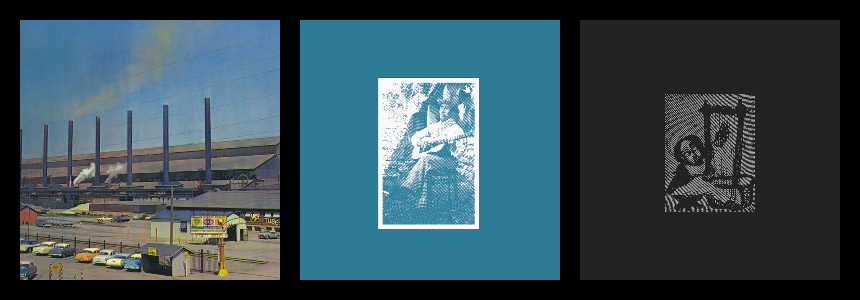
Bob Nicoloff & His Orchestra - I’m Not Going: A Macedonian Band from Lorain, Ohio ca. 1954 (Canary Records, Mar 13)
Alberto Juscamaita Gastelú - Reminiscences of Raktako: Huayno Guitar from Cuzco and Ayacucho, 1930–1940 (Death Is Not the End, May 22)
v/a - The World Is but a Place of Survival: Begena Songs from Ethiopia (Death Is Not the End, Jul 3)
A round-up of archival releases of traditional music from this year that I particularly enjoyed. I’m Not Going brims with festivity: it’s party music whose energy isn’t dimmed by their mediation via old 78s. The bright and nimble guitarwork on Reminiscences of Raktako is a delight and invaluable as a historical document of Andean folk music. And The World Is but a Place of Survival shows the begena as a mesmerizing instrument to behold. It sounds most similar to a jaw harp and is likewise highly suggestive of electronics; in a world without synthesis, it would certainly invoke the spiritual.
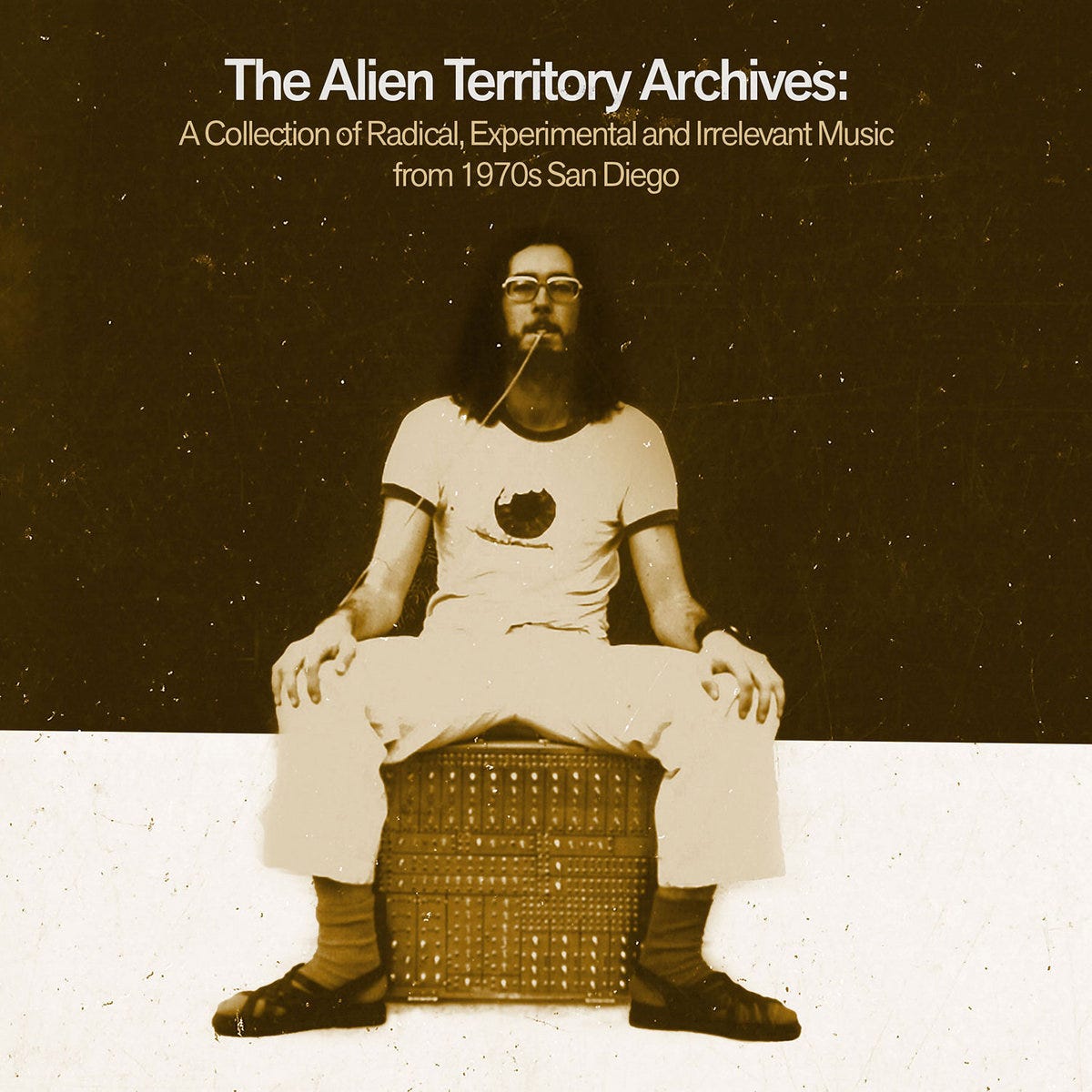
v/a - The Alien Territory Archives: A Collection of Radical, Experimental, & Irrelevant Music from 1970s San Diego (Nyahh Records, Jul 24)
An essential collection dedicated to a particular ancestral branch of the American experimental music tree that, while flush with musicians whose individual names and legacies are often recognized, isn’t necessarily remembered as a distinct historical milieu where many of them participated in a common culture and exchanged ideas, influences, and vibes. You may have heard the work of several or most of these people before, but you haven’t heard these specific pieces from this specific time and place. To have them all grouped here helps to sketch a picture of a scene whose unity and dynamism had previously escaped me.

Lil 50 - This My Life (Remain Solid LLC, Aug 8)
Maybe my most-listened for the latter half of 2025? Straight-ahead emo trap whose beats are held up by understated yet sweeping synth progressions and guitar-driven melodies that ache and reverberate with unrepentant melancholy; they owe a subtle but unmistakable debt to a certain style of hyperpop. Not exactly sure why I don’t really care for Juice Wrld but fuck hard with Lil 50; I think it mainly has to do with how Juice’s vocals distinctly evoke a third-wave emo overearnestness, whereas 50’s are suffused with something closer to unmitigated depressive fatigue—which feels more trap to me too.
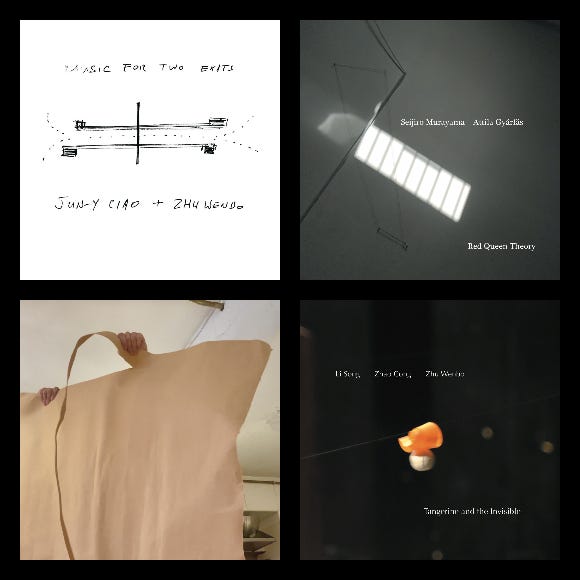
Jun-Y Ciao / Zhu Wenbo - Music for Two Exits (Ftarri, Jan 12)
Seijiro Murayama / Attila Gyárfás - Red Queen Theory (Ftarri, Apr 13)
Zhu Wenbo & John Wilton - Live at Wujin, March 16, 2025 (self-released, Apr 14)
Li Song / Zhao Cong / Zhu Wenbo - Tangerine and the Invisible (Meenna, Aug 10)
A survey of highlights this year from the East Asian experimental/improv/non-music circuit, besides other individual releases I cover here.
Music for Two Exits documents an “underpass concert” in which both performers play long, held tones on clarinet in a Beijing underpass, without amplification. It’s hard to think of a purer way of marking space and time in a steady but uncalculating manner. Tangerine and the Invisible, like Music for Two Exits, consists of two durational pieces. Each carries a thread of on-edge yet subtle tension from one end to the other, shifting just fast enough to create a sense of inexorable movement but also just slow enough to suspend the certainty of any destination.
Live at Wujin stands out in this batch for being a rather livelier affair than the others. The drilling electronics and paper activations give the impression of a DIY construction project that’s getting wonderfully weird with it. Red Queen Theory, on the other hand, shows the most restrained performance of the bunch. It’s pretty much exactly what I want from a drum duo: resonance without ornament in precise configurations of negative space.
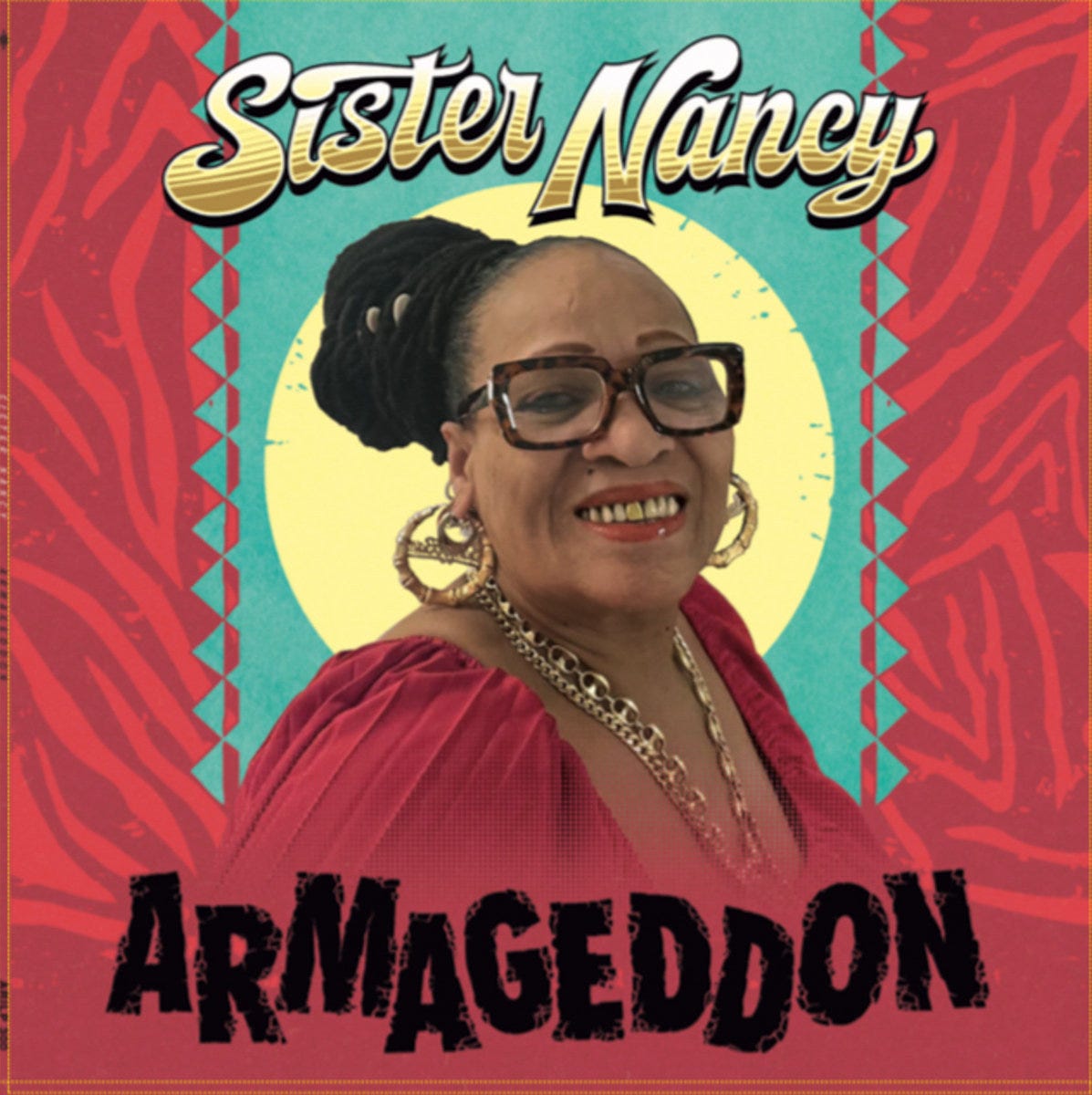
Sister Nancy - Armageddon (Ariwa Sounds, Aug 21)
Hell of a comeback. A consummately produced and performed record that does for Sister Nancy what Calypso Rose’s 2010s releases on Because Music did for her.

Thomas Ankersmit - The Dip (Students of Decay, Aug 29)
The folding table analog synth-tinkerer equivalent of whatever classic rock album your dad plays to soundcheck his newly decked-out home stereo. Ankersmit scores again; Maryanne Amacher is still smiling in heaven.
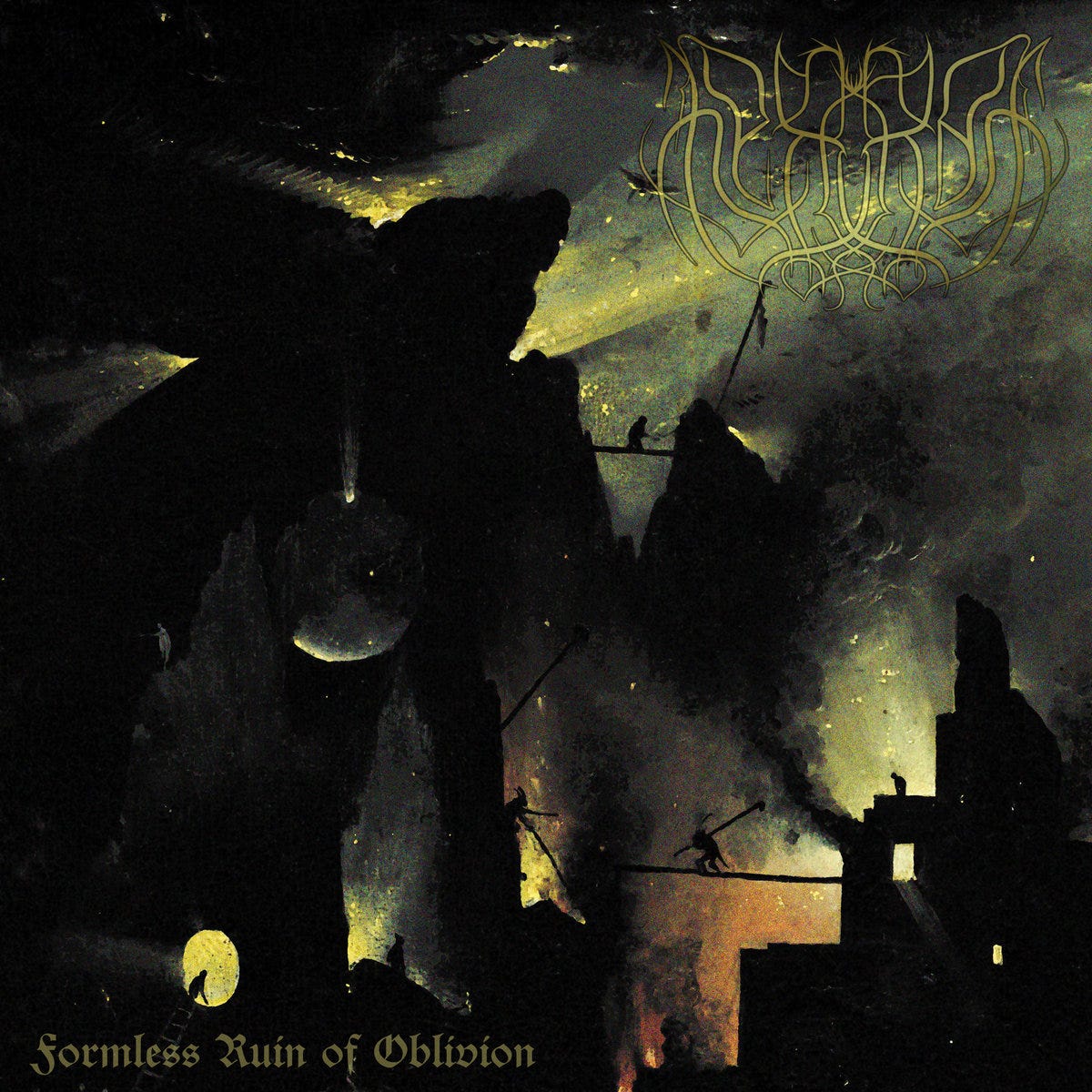
Hexrot - Formless Ruin of Oblivion (Transcending Obscurity Records, Aug 29)
Saying “best metal of the year” feels like a scientific banality: the formula has been improved yet again, with a marginally higher chemical concentration than last year. But at least the high-grade stuff hasn’t lost any of the original’s snuff. Shit’s good, man.

Yan Jun/Taku Unami - Old Tales Retold (Erstwhile Records, Sep 4)
Two scene elders/pranksters deliver in spades. For those who never tire of the sounds of sitting/standing/walking/running/meditating/cavorting in a room.
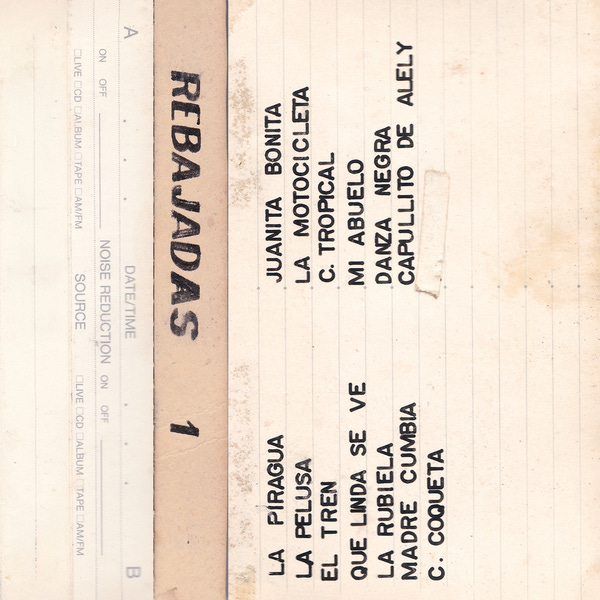
Sonido Dueñez - Rebajadas Tape 1 (self-released, Sep 19)
Remastered early (’92) tape from by the O.G. cumbia rebajada guy. Thrums and warbles its way straight into wherever in your brain the earworms reside. Will slot nicely into my trunk-rattler rotation.
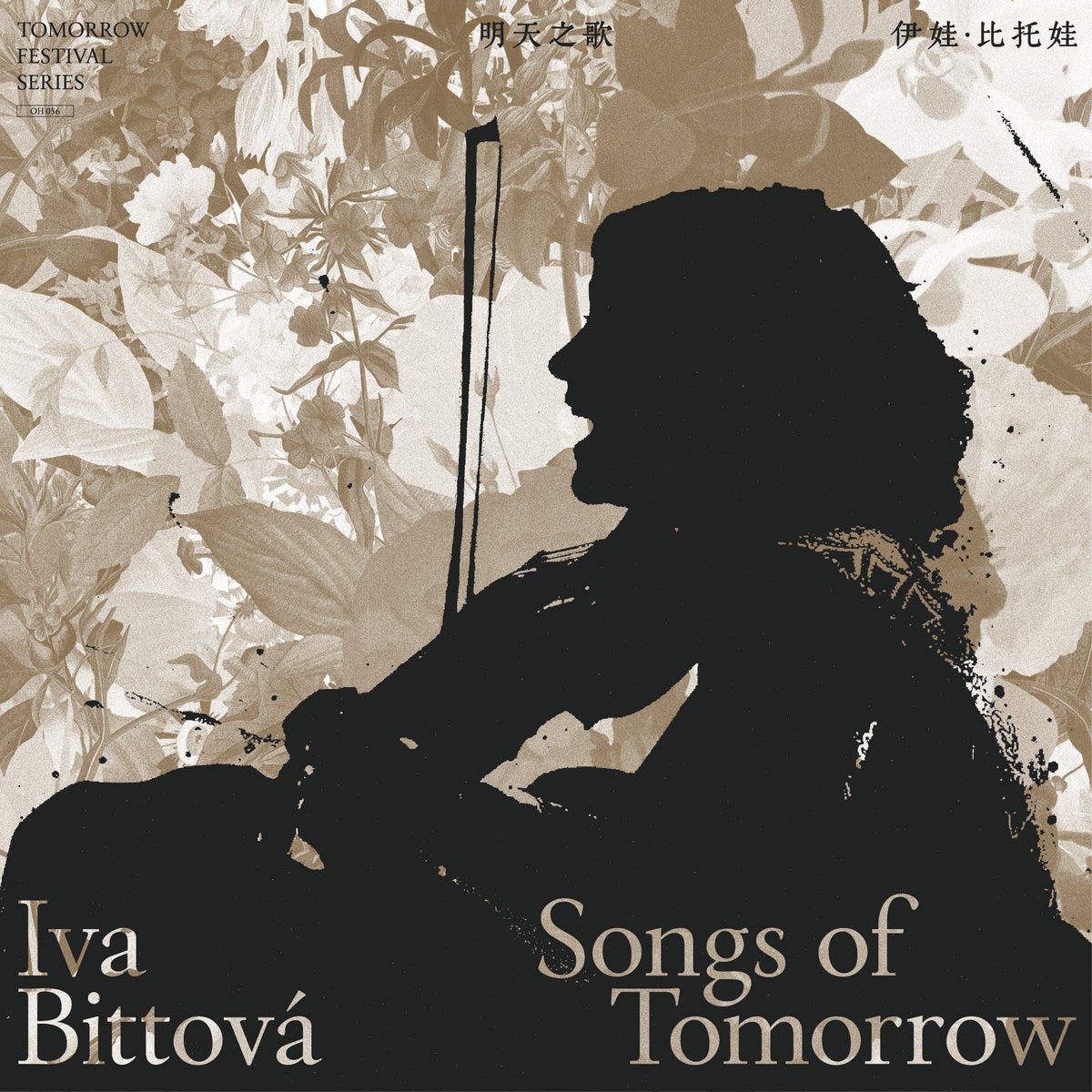
Iva Bittová - Songs of Tomorrow (Old Heaven Books, Sep 23)
Another lovely live-archival release this year from Old Heaven Books—this one by longstanding modern classical/Balkan folk/free improv violinist and vocalist Iva Bittová. I really dig the live-recorded aspect of this because it gives me a much sharper sense of Bittová’s playing and singing than I’ve gotten before: the dynamic range and reverberation that result from the close capture of this unaccompanied and unmanipulated performance lend it a breathtaking clarity and force.

Lil Ced - Playin’ by the Rules (Icywhite Records, 1997 | Now-Again Records, Sep 24)
Blown away by how good this sounds. On the smoother, G-funkier end of the Southern rap spectrum, but still somewhat lo-fi, with dashes of horrorcore synth here and there. The flows are distinctly Memphis in their tendency toward a tense, short-of-breath declarative style and delivery. Even so, they occupy a West Coast-Third Coast middle ground, since Lil Ced does have his laidback moments—plus, there’s less anthemic repetition than one might expect from a Memphis tape. In any case, if you’re a fan of this stuff, it’s a welcome remaster/reissue.
L’empire des sons - L’empire des sons (self-released, 1986 | Glossy Mistakes, Sep 26)
Proggy chamber pop from the ‘80s that recalls Aksak Maboul at their sing-songiest. Light in taste, but decadent in its layers.
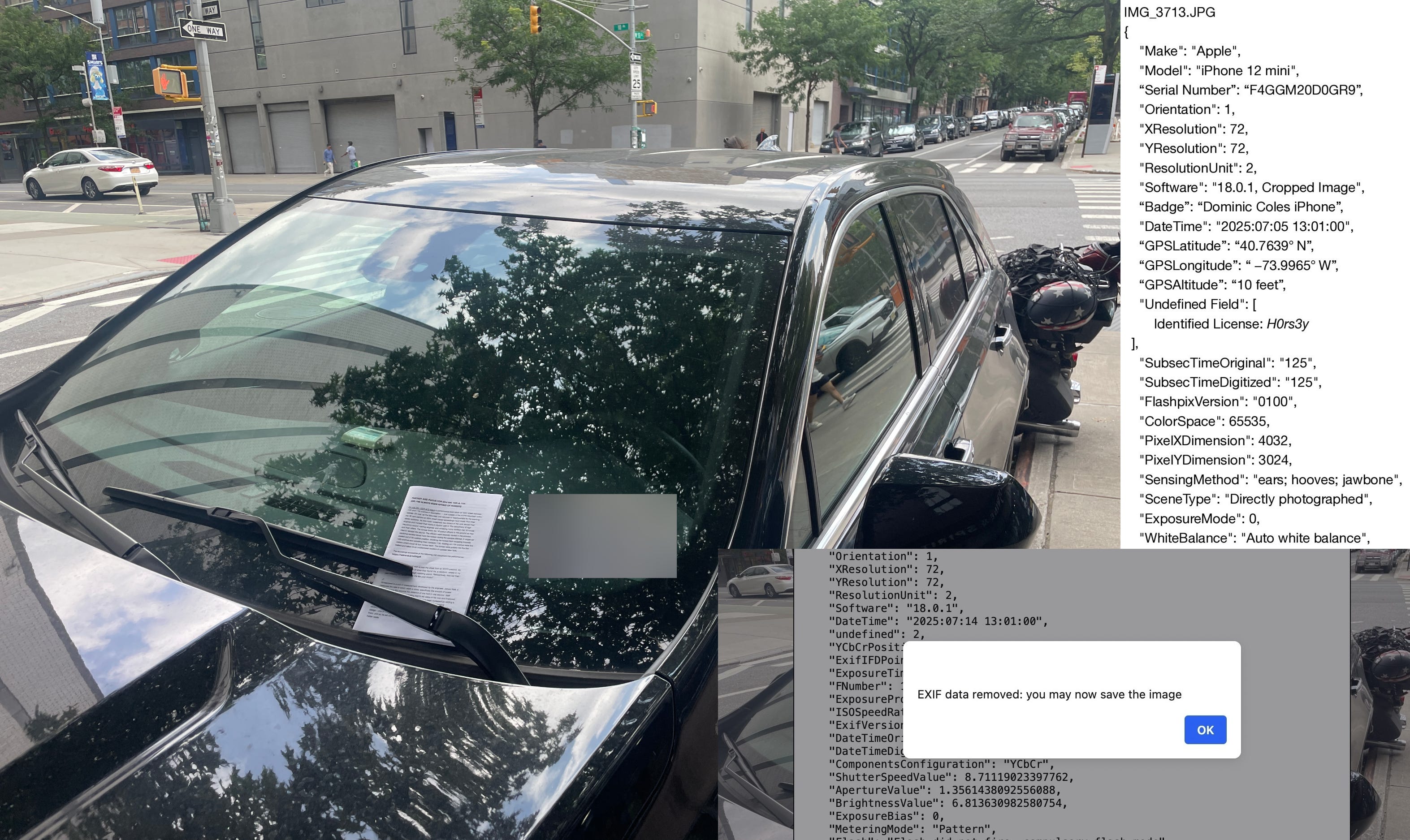
Dominic Coles - Fantasy and Fugue for 53rd bet. 10th & 11th (Or: I’ve Always Been Afraid of Horses) (Lateral Addition, Sep/Oct ?)
July 5th, 2025 - 5:43pm:
A performance took place on 53rd street between 10th and 11th avenue in Manhattan — just outside of the NYPD Mounted Unit’s stables. On cue, as the Mounted Unit returned to headquarters for the evening, the 38 cars parked on 53rd street blared exceedingly loud music from their stereo systems. As the music screamed, the drivers of the cars revved their engines and honked their horns in rhythm with it. The cacophony of high frequency sound, roaring engines, and shrieking horns terrified the 18 horses and their riders. The horses threw the 18 police officers to the ground as they tried to escape the sound. The officers were severely injured in the process, receiving several blows from the horses during the escape attempt. A single car peeled out of its parked position, blocking the horses from escaping towards 10th avenue and corralling them towards 11th. Waiting on 11th avenue were five trailers which could fit four horses each. The horses were guided into the five trailers and taken to an undisclosed location in upstate New York. The recordings accessible at the following link document this performance:
—Dominic Coles, Fantasy and Fugue for 53rd bet. 10th & 11th (Or: I’ve Always Been Afraid of Horses), 2025

Sophie Agnel - Learning (OTOROKU, Oct 3)
Agnel activates the piano with an intensity that makes the limits of its resonant capacity growl and whistle in deeply satisfying ways, hitting the same highs and lows with her instrument as the best EAI performers do with their broken consumer electronics. Only Pat Thomas rivals her in terms of extended piano playing in the free improv sphere.
Jiyeon Kim - Italian Wire Suites (Ash International, Oct 3)
Three suites of sensitively edited field recordings whose composite vistas are by turns plein air and subterranean, situating the listener as witness and meditative subject both. Like a Chris Marker doc for the ears.
Toru Yamanaka / Dumb Type - Suspense and Romance (conatala, Oct 15)
The third and latest in a series of archival releases documenting the musical dimension of early performances by the Dumb Type project, whose founding members were Japanese art students in mid-’80s Kyoto. Suspense and Romance is a suite of deconstructed lounge jazz that reminds me a bit of some Madacy Jazz stuff, like Apsirs Group or Skylark Trio—albeit not as abstract (and definitely less goofball). The spare yet playful synthetic elements here have great charm, especially when they veer off into waddling arhythmia. But there’s also real heart, with some compelling sophisti-jazz arrangements and spirited brass chorales. To be frank, I think that Madacy Jazz (read: Kieran Daly) would profit immensely from leaning a bit more into the sentimental. Please save us from another album of monophonic farts for solo computer…
Joseph Nechvatal - Ex Stasis 69 (Pentiments, Oct 16)
A remarkable refinement of Sound of Pig-era lo-fi sound collage hijinks that works with junkyard scraps of analog noise, garbled fragments of processed speech, and a recurring melodic motif across many of the longer tracks that gets subject to all sorts of mutative development and variation. This is as close as this stuff gets to structural legibility; the two remixes of “Revolution 9” here present a clear admission of that.
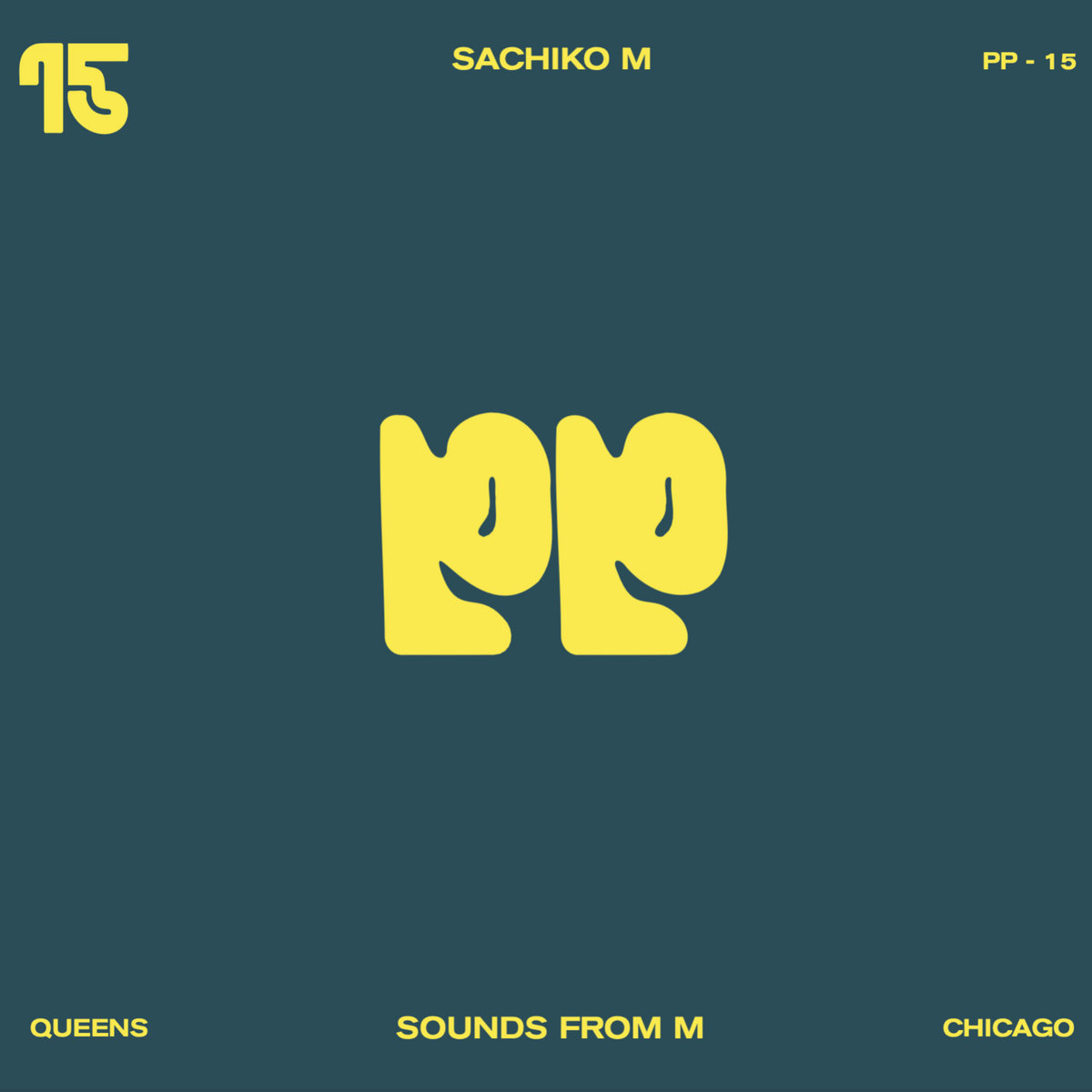
Sachiko M - Sounds from M (Party Perfect!!!, Oct 17)
Sachiko M’s latest via Party Perfect is (by my count) her first non-archival or live solo album in nearly 20 years. It sits somewhere in between 2004’s Bar Sachiko and 2007’s Salon de Sachiko; if the former was a duration study and the latter a micro-perceptual study, Sounds from M articulates both elements in alternation, presenting a sort of “well-tempered oscillator” whose coordinates are drawn from extremities of pitch and time. No one does the sine wave quite like Sachiko.
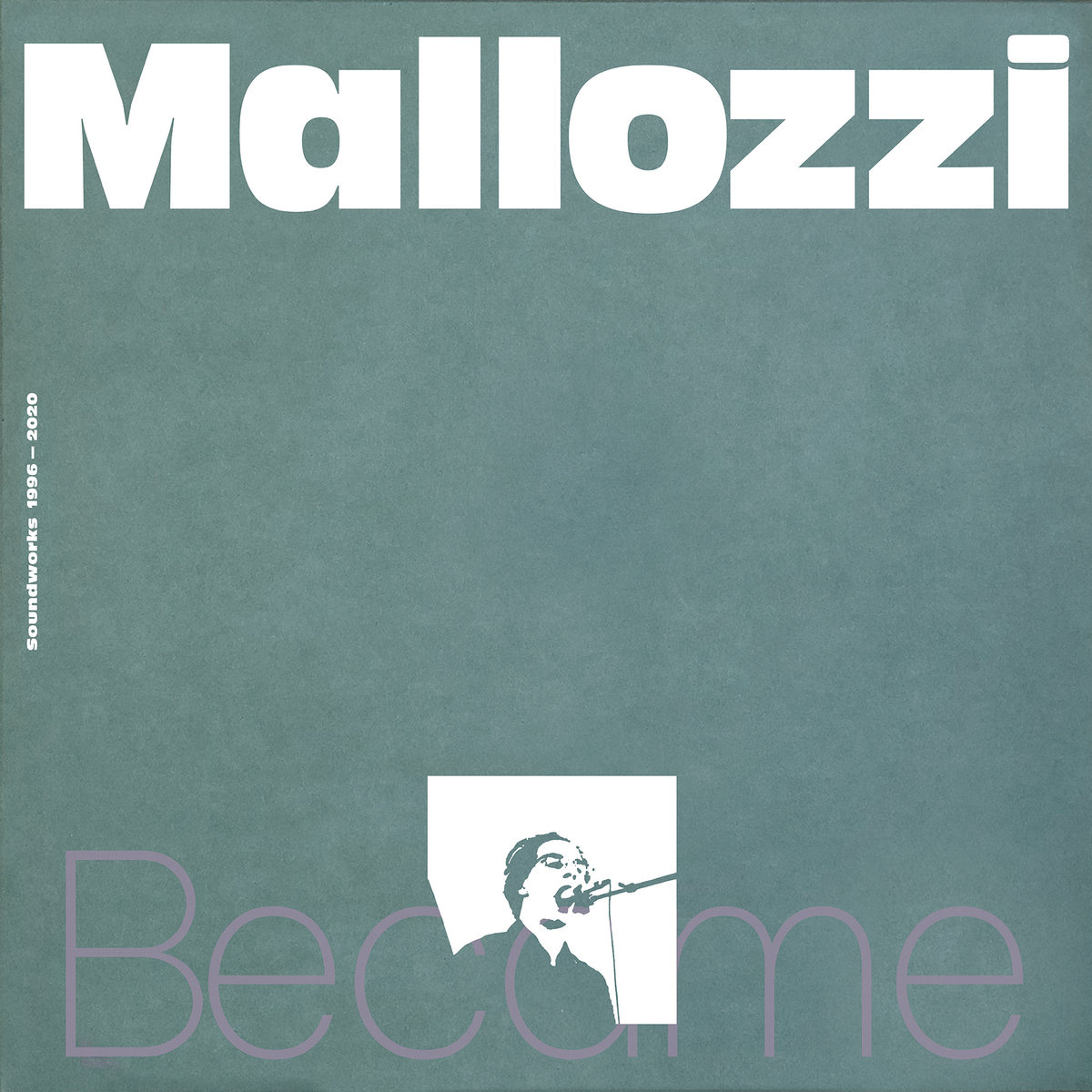
Lou Mallozzi - Became These (Pentiments, Oct 18)
One of the most spatially and durationally sensitive sound poetry records I’ve come across this year. Even when the human voice isn’t in the foreground, the articulation of the electronics and instrumentation is still inflected by a kind of diction and enunciation; samples and environmental sound are presented and treated with an attention to the epicycles of their composite elements as well as to their overall natural rhythms. It feels meditative not in the generic sense of having a calming effect but in the specific sense of encouraging attunement to both the complexity and the unity of one’s experience of the present tense.
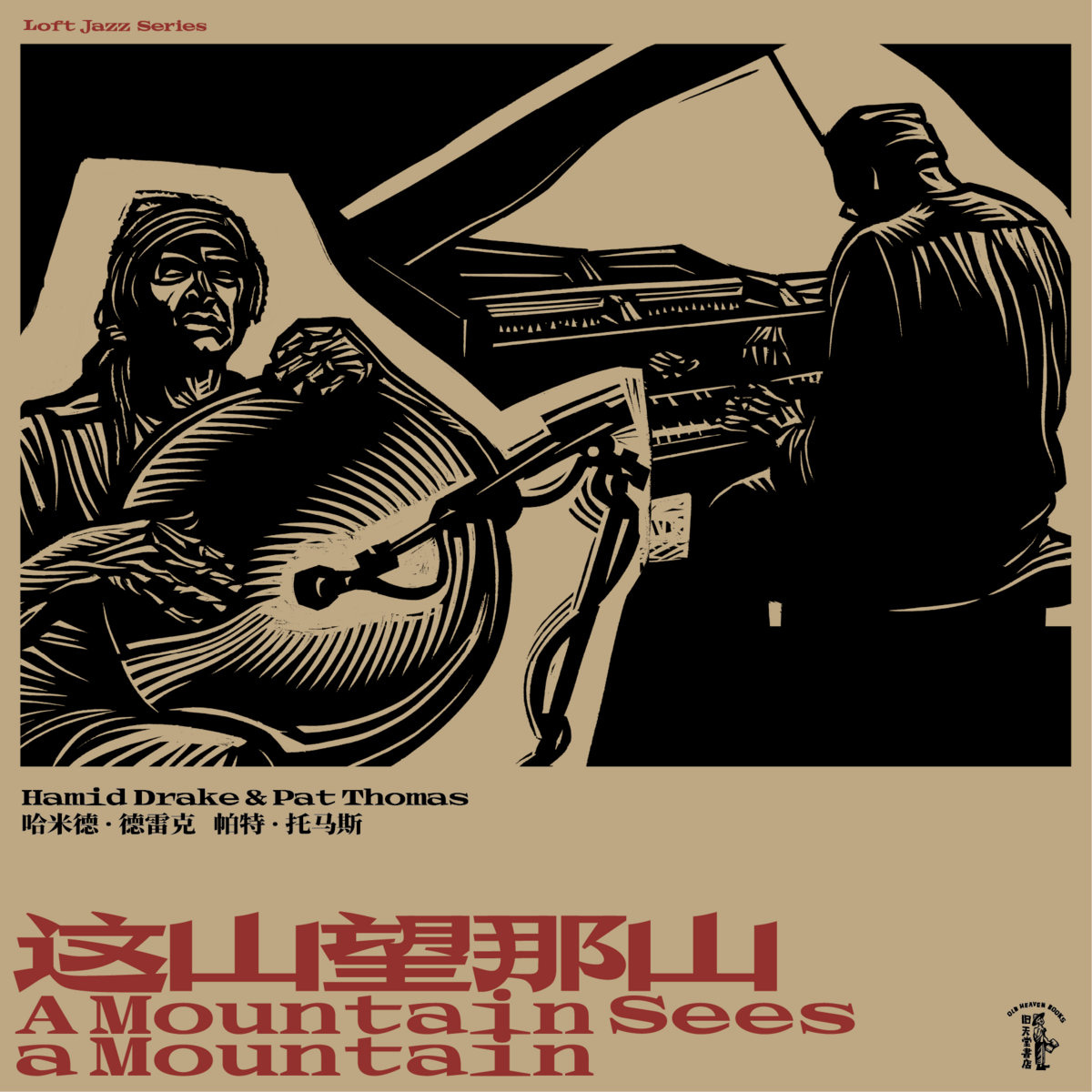
Hamid Drake & Pat Thomas - A Mountain Sees a Mountain (Old Heaven Books, Oct 20)
Wild that this is the first Drake/Thomas duo record or performance I’ve heard? They’ve played together plenty, but A Mountain Sees a Mountain shows how powerful they are when their only limits are each other. A simultaneous gut-puncher and soul-stirrer of a set.
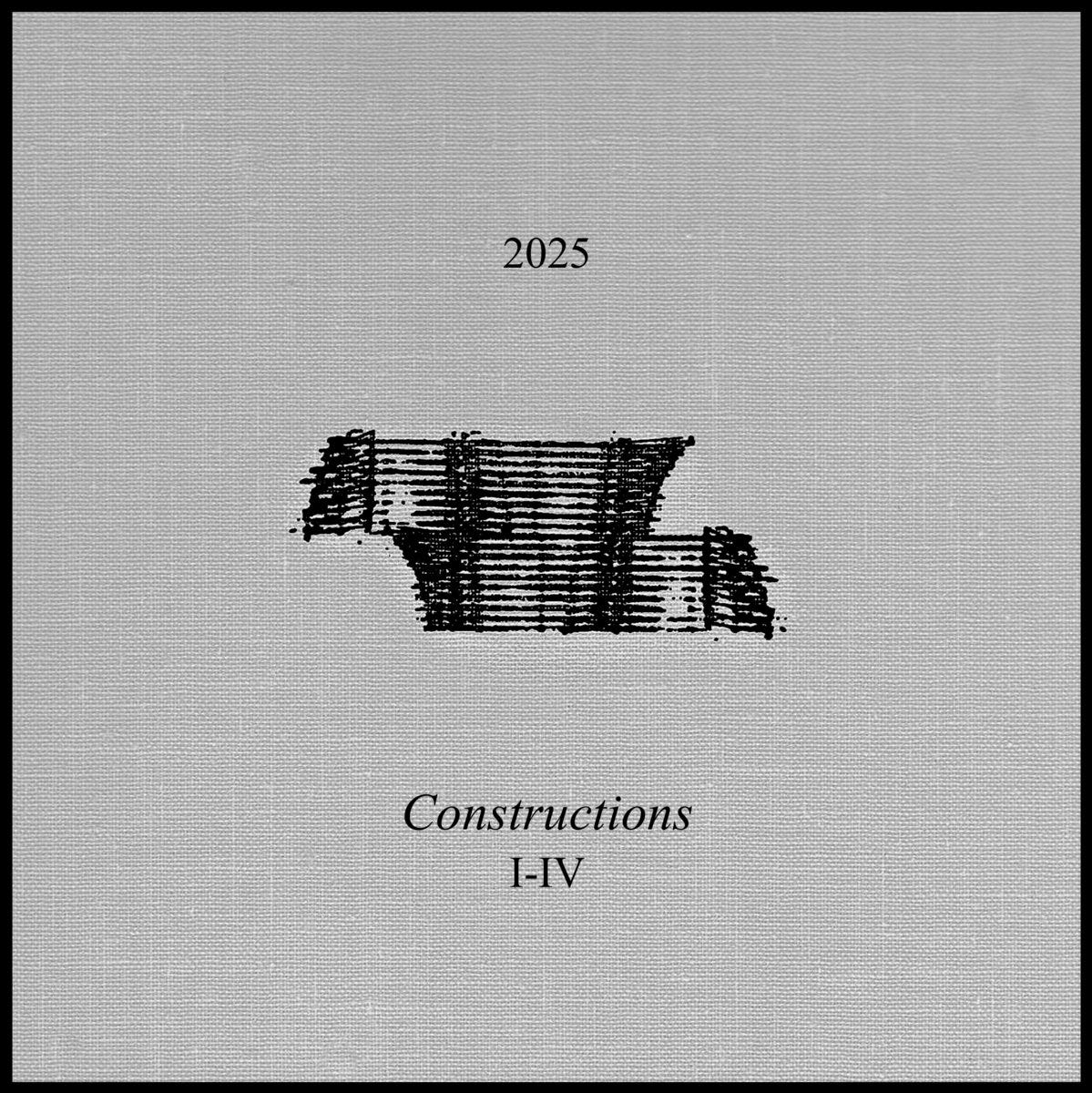
John Wall - Constructions I–IV: 2025 (self-released, Oct 21)
It only makes sense that I am less radically impressed by the necessity of the changes that Wall makes here to the original version of Constructions I-IV than the composer himself is. But I can say for sure that if 99% of electronic musicians who use the glitch (or “the CD skipping thing”) were to remove it from their work, that music would fall apart like cardboard in the rain. If anything, it’s this that allows me to understand the new and improved Constructions I-IV (and much of Wall’s other music) in a new way: Wall has always been interested in how various extremities of the sonic field can be related so as to toe the line between continuities and discontinuities in aural perception; the glitch, as the most gesturally tropified tactic for executing that premise, is probably of limited use to him.
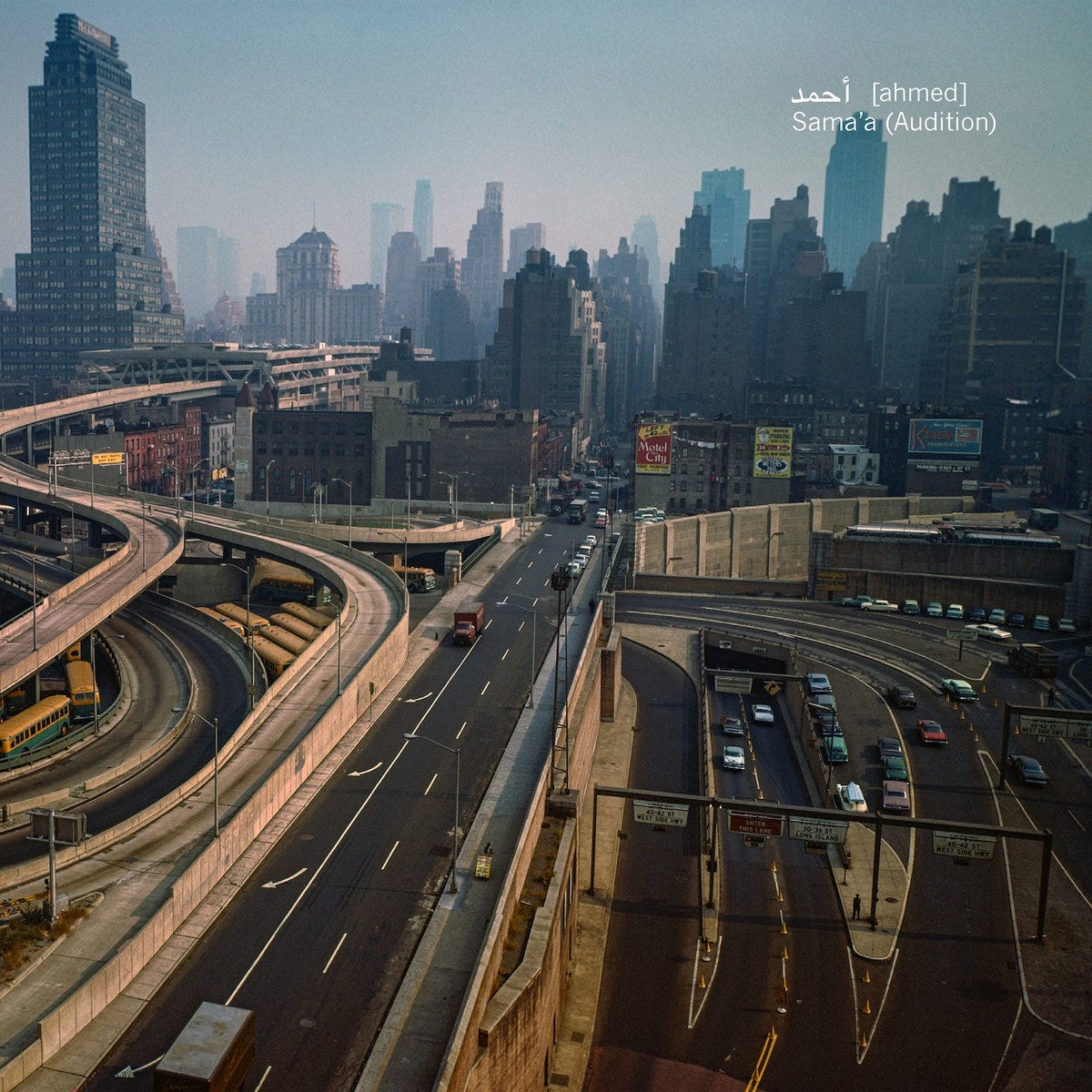
حمد [Ahmed] - سماع [Sama’a] (Audition) (OTOROKU, Oct 23)
Excerpted and adapted from an Album of the Day review I wrote about [Sama’a] (Audition) for Bandcamp Daily.
[Sama’a] (Audition), despite being captured in the studio, lacks none of the strengths of [Ahmed]’s live-recorded work to date. It doesn’t signal a fundamental change in method; these are single takes from a single recording session, and the album includes two compositions that have been part of the band’s constantly reworked repertoire for years now. There are, however, subtle but important differences. The pieces on [Sama’a] are of condensed duration, running 15 to 20 minutes as opposed to the 40 to 50 minutes of [Ahmed]’s live sets; their development of motifs is more proportional and concentrated, without having lost any improvised spontaneity. It’s the fruit of years of experience leading to confident familiarity with the material—something that enables the band to move both faster and with more breathing room than ever before. This is nowhere more evident than on “Farah ‘Alaiyna [Joy Upon Us],” which, when compared to the take from 2019’s Super Majnoon, flies and dances wherever the latter charged and stomped. If [Sama’a], as the tracklist suggests, is a reenvisioning of Ahmed Abdul-Malik’s first of six studio albums, then [Ahmed] better have at least five more records like this in ‘em.
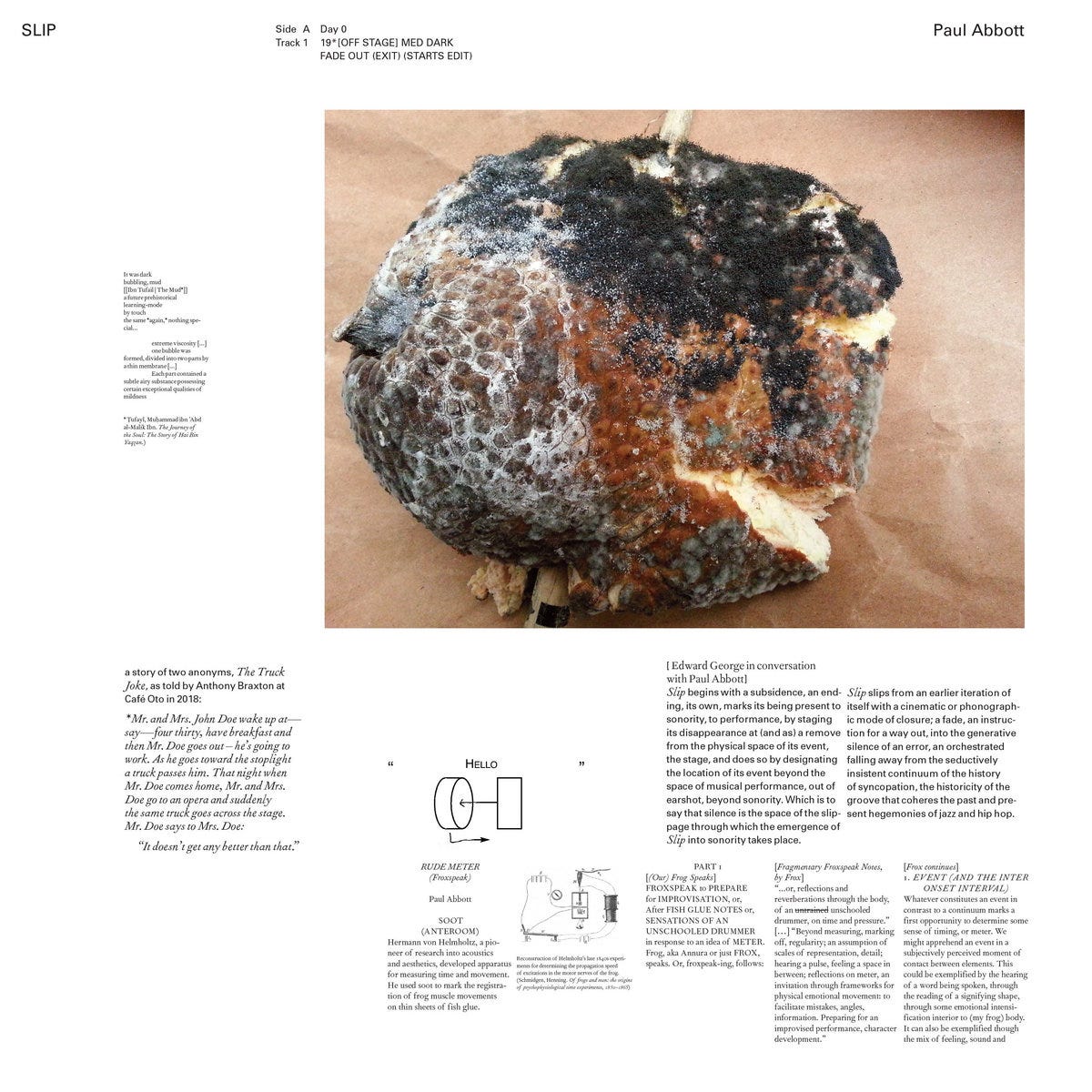
Paul Abbott - SLIP (OTOROKU, Oct 31)
Me after listening to the 5-hour Paul Abbott album: “Everything I ever knew about rhythm and the body in time is a lie…”
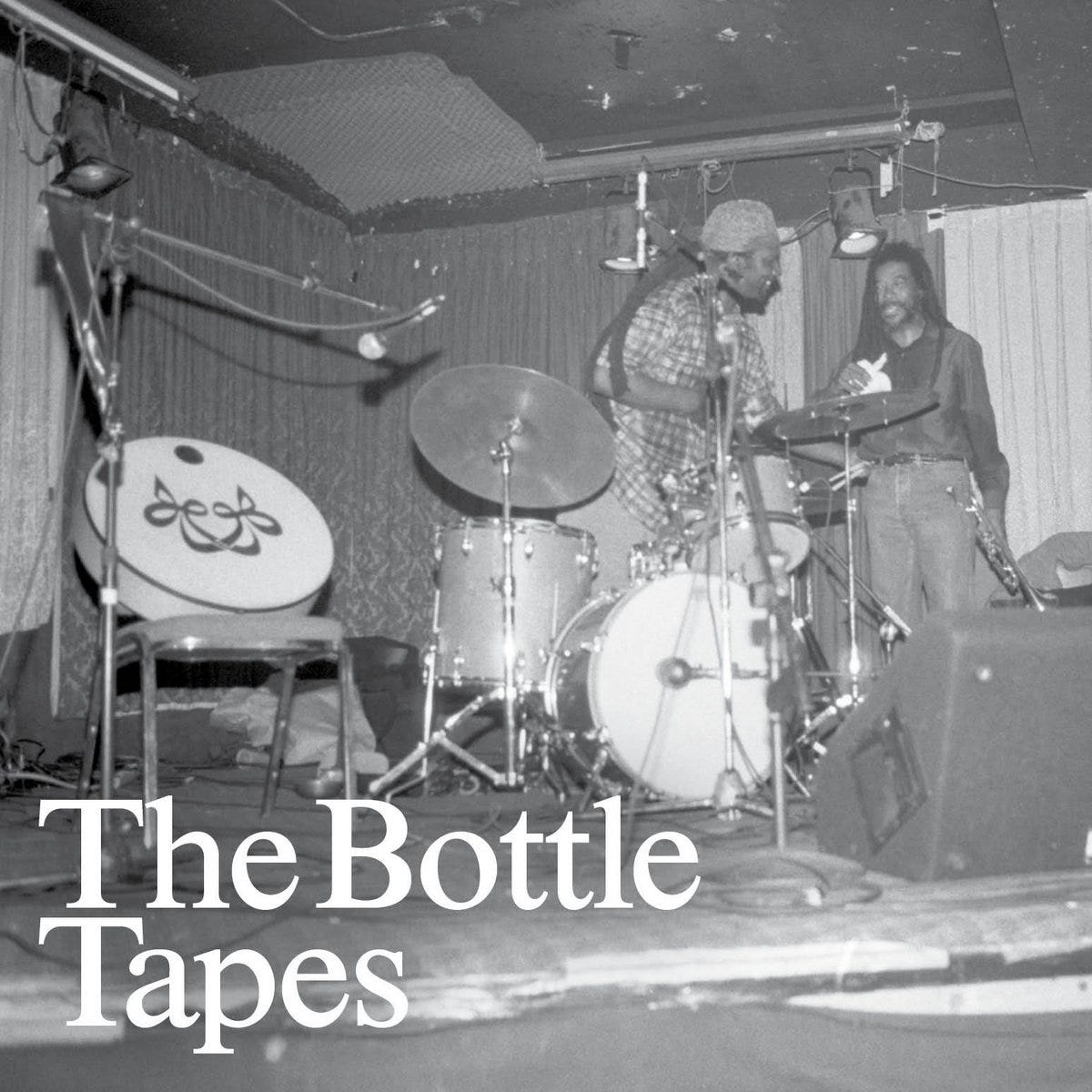
v/a - The Bottle Tapes (Corbett vs. Dempsey, Oct 31)
Monster comp of live recordings from just about every name in free jazz and improvised music one might have had the privilege of seeing play at the Empty Bottle around the turn of this century. Gotta appreciate Corbett vs. Dempsey for having done so much over the years to hold up the Chicago node of this circuit.
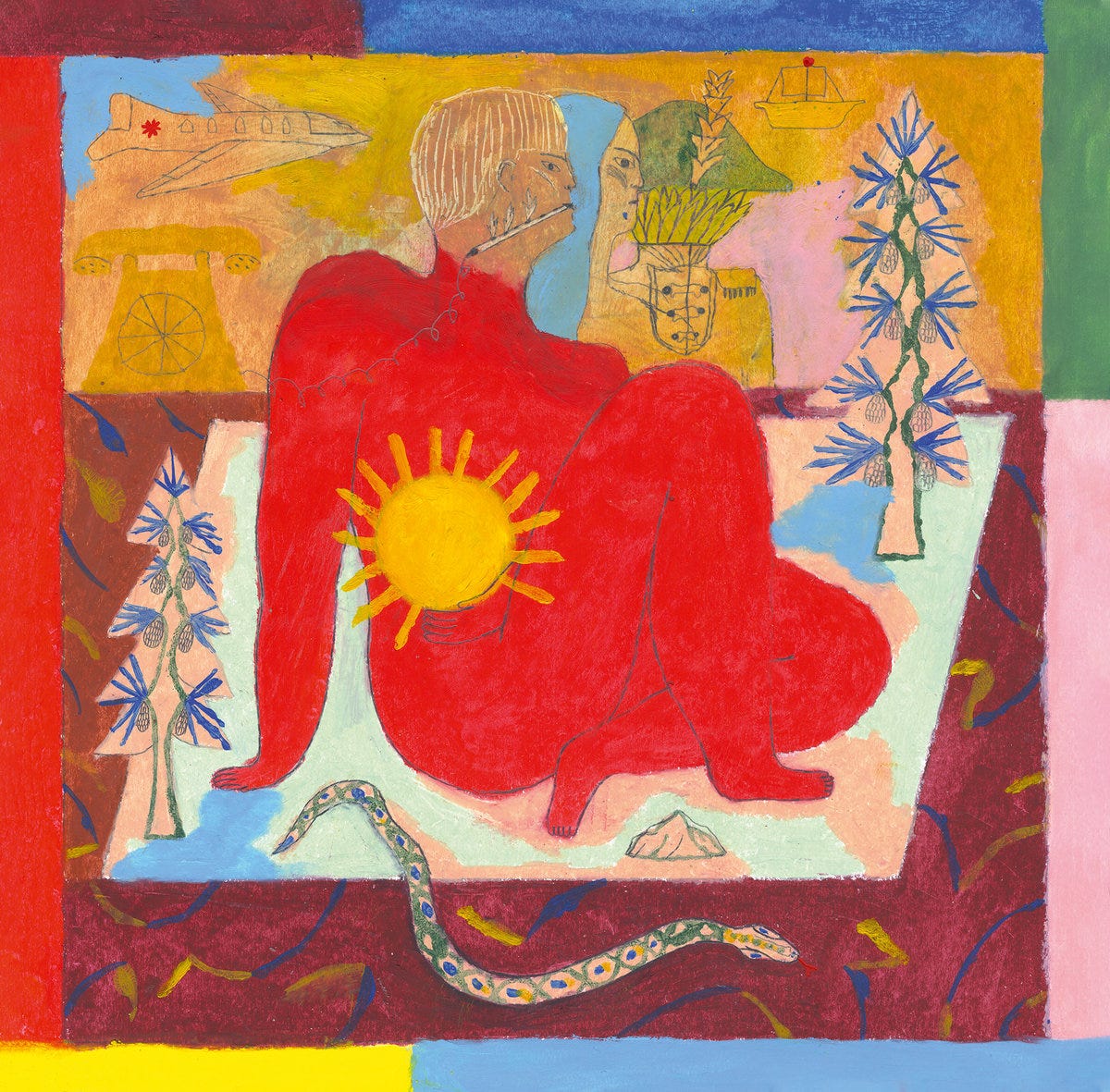
Le grand couturier - Le grand couturier (unjenesaisquoi, Nov 7)
Exotica with a post-punk-ish rhythmic vocabulary and a menagerie of effects processing that pours over the brim with color and verve. Not bad for getting your groove on.
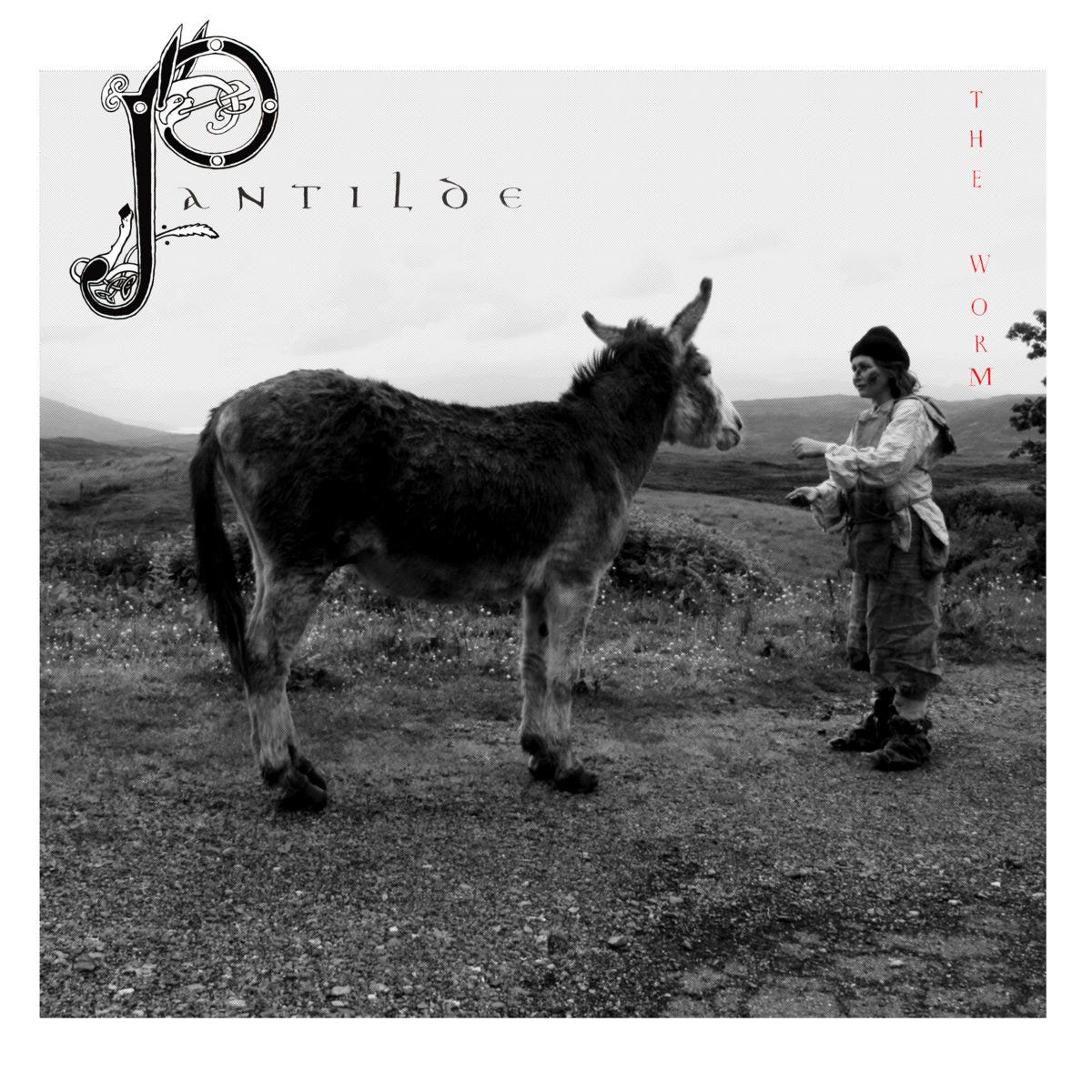
The Worm - Pantilde (EM Records / Prah Recordings, Nov 7)
Can’t even begin to express how Quietus-core this is. But no matter: it’s immaculate, cozy, and charming as hell. Makes for an excellent winter companion.
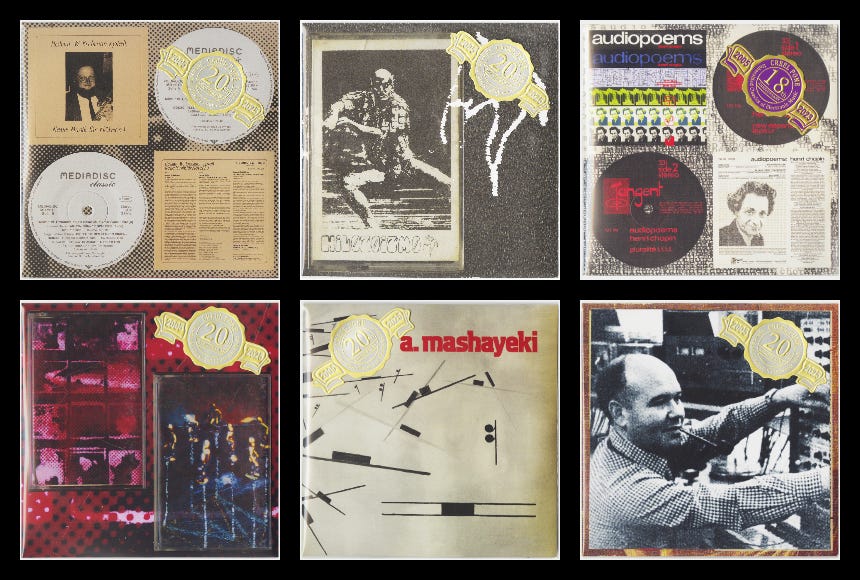
Helmut W. Erdmann, Heinz W. Burow - Neue Musik für Flöte(n), Vol. 1 - 2 + Imaginations I (Mediadisc, 1987–1989 | Creel Pone, May 1)
Hilozoizmo - Hilozoizmo (self-released, 1981 | Creel Pone, May 1)
Henri Chopin - Audiopoems [1971], Audiopoems [1983], Poésie sonore (Tangent Records, 1971; Edizioni Lotta Poetica / Studio Morra, 1983; Igloo, 1983 | Creel Pone, Aug 11)
Collectif et cie - Collectif et cie [C.01], Collectif et cie [C.02] (Collectif & Cie, 1988 | Creel Pone, Aug 11)
Alireza Mashayeki - Complete Retro Recordings + (Creel Pone, Aug 11)
Alfredo del Monaco - Composer “Portrait” Series #2 (Creel Pone, Nov 11)
A selection of 2025 Creel Pone releases that I enjoyed. Props to Keith Fullerton Whitman for continuing to be so prolific with these.
Some of these releases are compilations of impressive scale that render a given composer’s work much more accessible than before. The Henri Chopin, in addition to the classic 1971 Audiopoems LP, gathers two other wonderful and harder-to-find releases from this foundational sound poet’s discography (both from 1983). Alireza Mashayeki: Complete Retro Recordings + is simply massive; these pieces are as striking in their sharp sound contours and dramatic force as any Xenakis composition.
Other contemporary classical stuff this year from CP deserves mention. The Erdman/Burow is a delightful collection of pieces for various flutes both with and without live electronics; they’re alternately airy and guttural. And the Alfred del Monaco represents a long-awaited second entry in Creel Pone’s “Composer ‘Portrait’ Series.” It’s a tight follow-up to the first entry, dedicated to Olly Wilson. The way del Monaco works with vocal samples is remarkable—and terrifying in the best possible way.
The Hilozoizmo is a must-listen for fans of rumbling, understated drone; it has parts that evoke Haptic at their best. Last but not least, the Collectif et cie may be my favorite from CP this year: it’s a grab bag of concrète, electroacoustic “research music,” rudimentary synth futzing, iterative sampling, and some straight-up noise that both reflects the diversity of early electronic music and resembles the admixture of rough-hewn sounds one finds in today’s DIY electronic/noise/tape/whatever underground (e.g. Tanzprocesz).
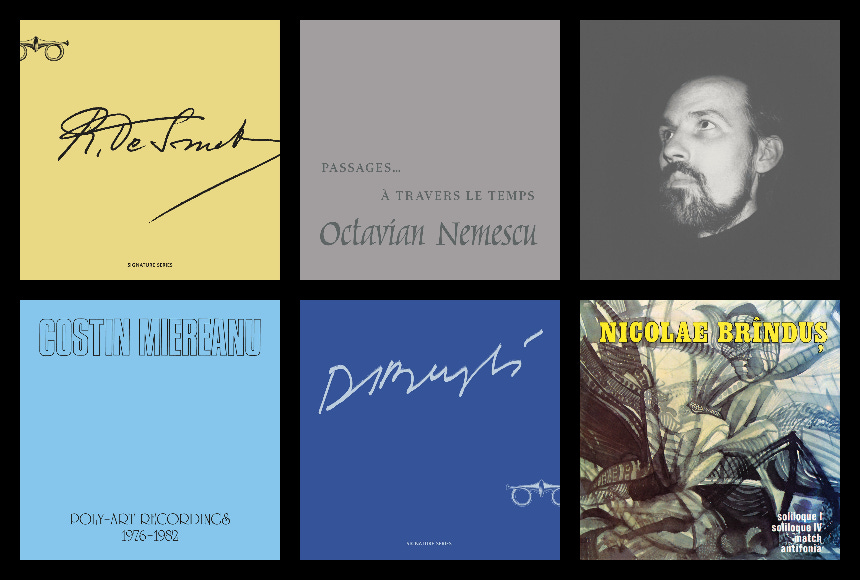
Raoul de Smet - Raoul de Smet (Metaphon, Feb 9)
Octavian Nemescu - Passages... à travers le Temps (Metaphon, Apr 28)
Corneliu Cezar - Ziua Fără Sfârșit (Anastasia, 2000 | Metaphon, May 6)
Costin Miereanu - Poly-Art Recordings 1976–1982 (Metaphon / Auryfa, Jun 6)
Peter Beyls - Peter Beyls (Metaphon, Nov 20)
Nicolae Brînduş - Match / Soliloque 1 & 4 / Antifonia (Electrecord, 1986 | Metaphon, Nov 20)
This year’s suite of Metaphon releases have tallied up to a remarkable archival trove of electroacoustic music. Four of the six present the work of Romanian composers.
The de Smet is the release with the most studied and tonally restrained pieces, which come off as particularly sophisticated and compelling GRM-type experiments. Given his affiliation with the long-standing Institute for Psychoacoustics and Electronic Music (IPEM) in Ghent, it tracks. Peter Beyls was also affiliated with the IPEM; I appreciate his pieces for their unremitting austerity and directness: they sit suspended between yawning chasms of soft (yet disquieting) noise and more piercing abrasions from out of the blue without leaving any room for compromise.
The Nemescu and Cezar releases feature pieces with more dramatic and dynamic range than either de Smet’s or Beyls’s; their gradual transformations and variegations of timbre support sonic journeying and imagination. The Brînduş album is also conducive to such imagination, although his compositions tend to find their dramatism within the parameters of a more carefully controlled harmonic dissonance.
The Miereanu compilation, in sharp contrast to all the other releases, leans into the warmth and intimacy of synthetic textures, presenting a kinship with classical minimalism. It sounds like something that would come out on Unseen Worlds, and it’s cool to hear an approach to this sound that arose in a context distinct from the American milieu (Robert Ashley, David Behrman, Laurie Spiegel, Carl Stone, etc.) I’m familiar with.
Germ Lattice - Corpusty (Horn of Plenty, Nov 21)
As gray and crunchy as last year’s Gipping Through the Ages, but less jammy and more interested in watching its own sound crumble at the edges. The inclusion of voice here makes this feel even more like some lost Shadow Ring record.
Ryu Hankil - Continuum of the Remainders (ETAT, Nov 24)
Less in your face than the other Max/MSP stuff Ryu has done with since 2020 or so. It’s a direct continuation of ⑧ Rhythm Machine, which he put out earlier this year. I found the production on that release to be oddly muted and low-contrast; I can hear what he’s trying to do much better on Continuum of the Remainders. I don’t know if I buy the artspeak about “sonic fictions,” “rhythm machines,” and “auditory figures” that he ensconces this project in. But his newer music is nonetheless sensitive to emergent patterns that arise through the obstinate exhaustion of a strategically limited set of digital sounds and processes; it reminds me of John Wall and Sunik Kim this way. If algorithms have souls, then Ryu is closer than most to proof of the matter.
Jean-Baptiste Geoffroy - Musique de produire (Tanzprocesz, Nov 25)
A microsound bubble bath. Guaranteed to cleanse your ears. Also sounds weirdly good through laptop speakers.
ju sei - 申 (Mousu) (BasicFunction, Nov 26)
Recalls some of the most playful and creative Japanese art pop of the ‘80s and ‘90s (see this list). The liners mention some of the more obvious points of reference (Akiko Yano, Mioko Yamaguchi), but I also thought of Chakra, Oshare TV, and this Music from Memory comp. Feels distinct in the pristine fidelity of the synthetic textures (more VST than MIDI) and the use of glitch to convolute the sound fabric; the latter move is sparing and delicate, avoiding gimmick or overuse. Highly recommend administering this dose of serendipity through headphones.
Thank you, as always, for reading. With luck, we’ll all make it through the holidays. As I mentioned in my introduction: if you appreciate Dancing About Architecture, consider going to my Ko-fi page and donating; you can also hit the button below. Looking forward to the places my heart, brain, and willpower will take me in the new year.